

Most founders think due diligence is a stage.
It’s not.
It’s a stress test.
When a VC invests, they are not underwriting your current ARR or your latest pitch deck. They are underwriting a decade of execution risk; multiple rounds, board dynamics, hiring velocity, market shifts, and an eventual exit that must meaningfully return their fund. Due diligence is how they compress uncertainty before committing capital.
And it is far more systematic than it appears from the outside.
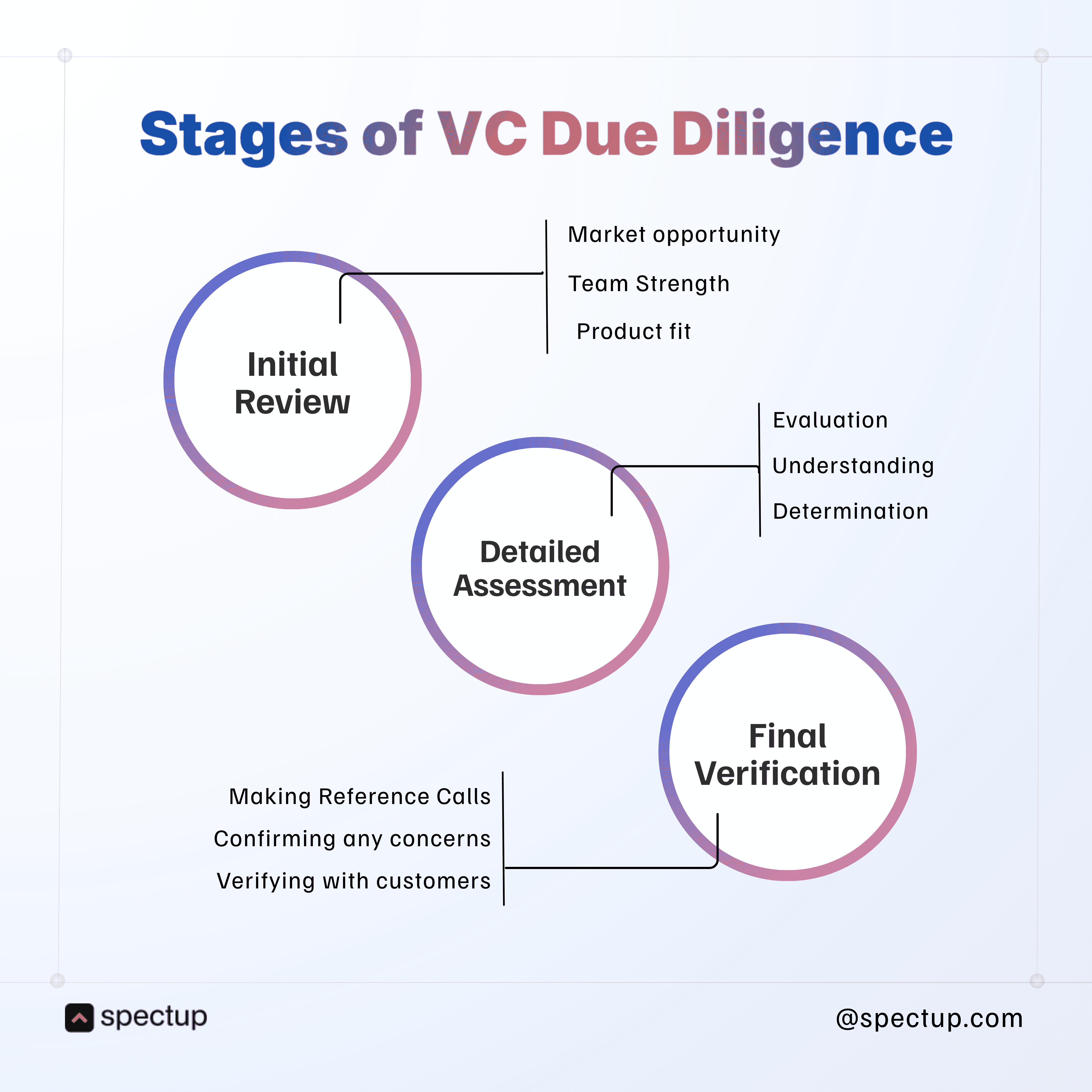
Table of Contents
Diligence Starts Before The Term Sheet
Founder & Leadership Evaluation
Cap Table & Ownership Mechanics
Product, Technology & IP
Financial Discipline & Metric Integrity
Market Size & Return Logic
Legal & Structural Cleanliness
The Overlooked Variable: Process Energy
Why Small Issues Become Big Signals
The Educational Reframe
Diligence Starts Before the Term Sheet
By the time a term sheet lands, you’ve already been analysed.
Quietly.
Associates have rebuilt your numbers.
Partners have debated your ambition.
Someone has likely backchannelled a reference.
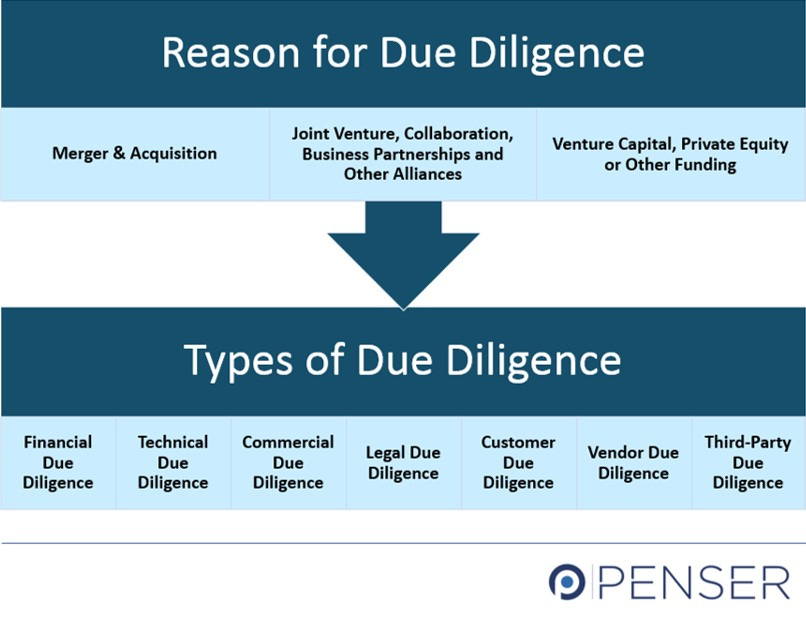
Formal diligence is visible - document requests, legal reviews, financial models. Informal diligence is continuous. It runs in parallel to every meeting and shapes the internal narrative before you ever see a checklist.
This is why consistency matters.
If your story, your metrics, your references, and your behaviour all align, conviction compounds. If they don’t, friction appears. And friction slows deals.
1. Founder & Leadership Evaluation
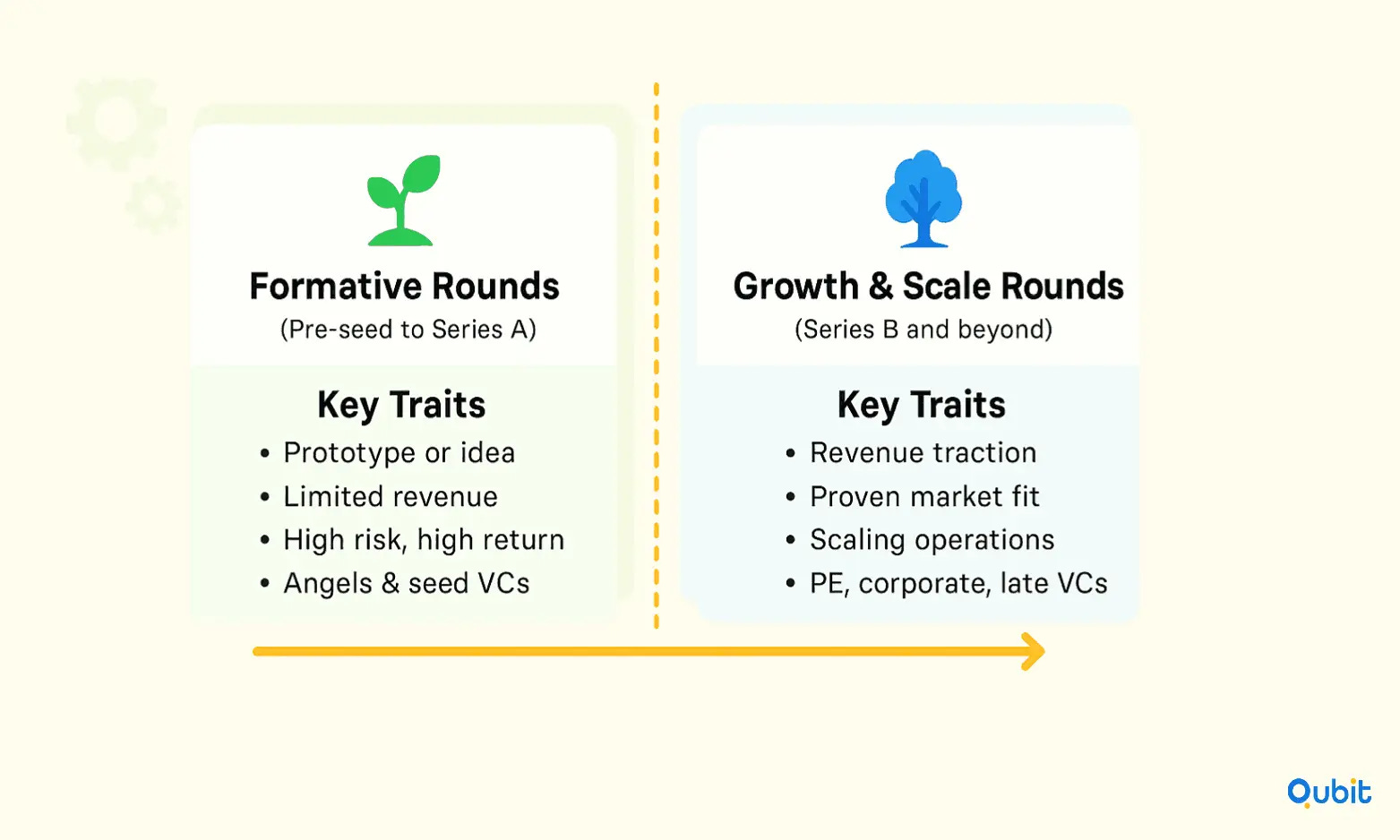
Early-stage venture is a people bet.
At seed, the data is incomplete. The product is evolving. The market may still be forming. So investors lean heavily on leadership quality.
But leadership quality is not charisma.
It is pattern consistency.
VCs evaluate how you think under pressure, how you process feedback, how quickly you iterate, and whether you attract strong operators. They assess whether you acknowledge weaknesses or defend them reflexively. They observe whether your ambition is matched by operational discipline.
Backchannel references reinforce this picture. Not to uncover drama, but to confirm behavioural trends. If former colleagues consistently describe integrity and resilience, trust builds. If they describe volatility or ego, confidence softens.
Trust compounds.
Doubt compounds faster.
2. Cap Table & Ownership Mechanics
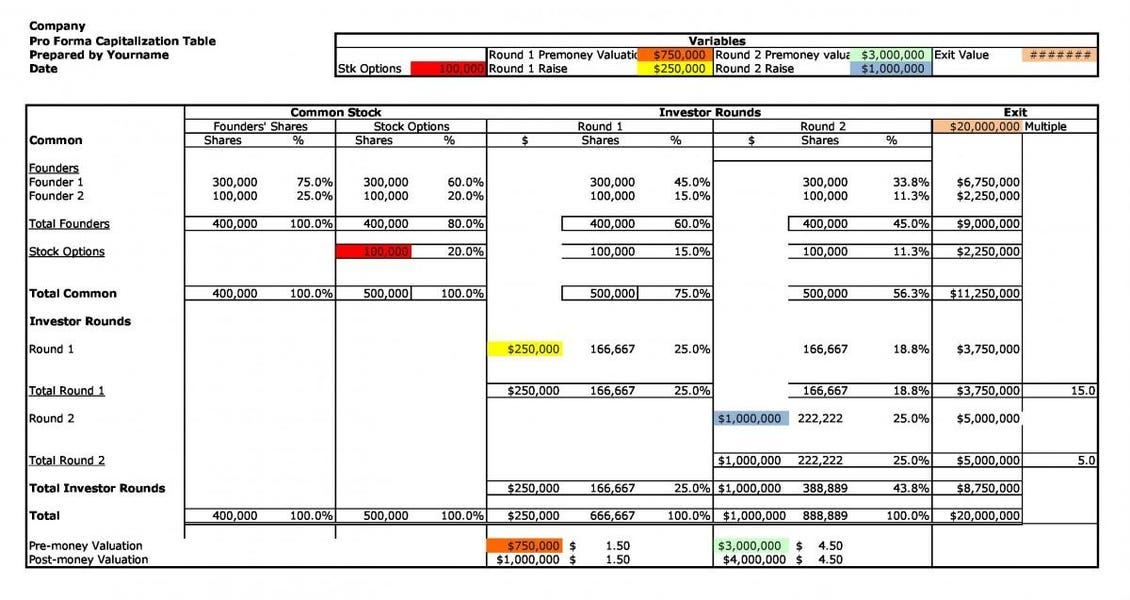
The cap table is leverage mathematics.
It determines whether future fundraising is structurally viable. Investors examine SAFEs, convertible notes, liquidation preferences, pro rata rights, and option pool allocations. They model ownership across multiple future rounds to ensure founders remain incentivised and new investors can enter without distortion.
One poorly structured SAFE can distort an entire raise.
One undocumented advisory grant can trigger legal friction.
Clean equity signals operational maturity.
Messy equity signals future negotiation headaches.
Venture funds avoid preventable headaches.
3. Product, Technology & IP
A strong demo wins attention.
Diligence tests durability.
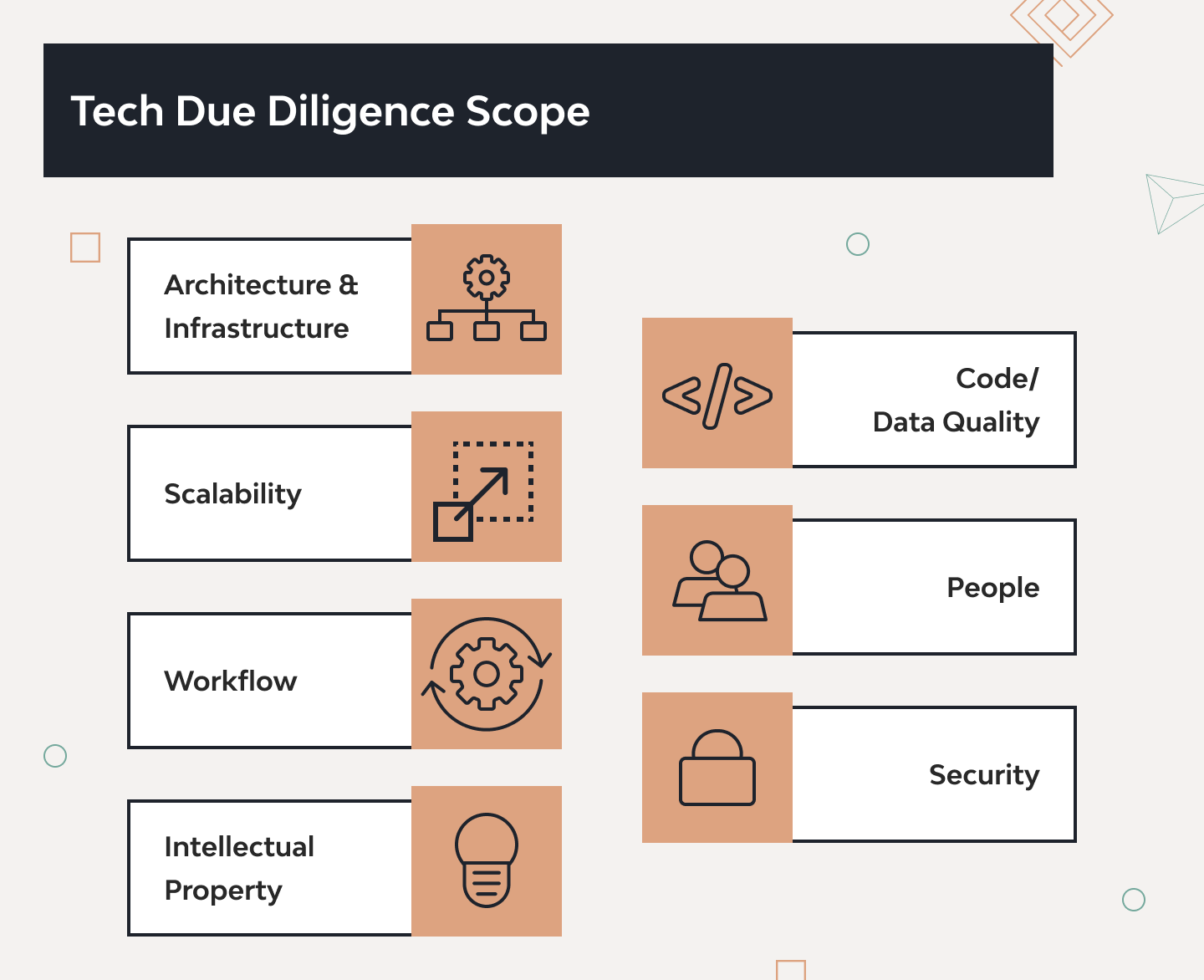
Investors want clarity on who built the product, whether intellectual property is properly assigned, and whether contractors signed invention agreements. They assess the scalability of the architecture and whether the roadmap aligns with hiring plans and burn assumptions.
This is not about perfection.
It is about defensibility.
If your technology scales technically but fails legally, risk multiplies. Early-stage funds anticipate future scrutiny from Series A investors and acquirers. They examine those vulnerabilities now.
The question shifts from “Does it work?” to “Will it withstand serious scrutiny at scale?”
4. Financial Discipline & Metric Integrity
Numbers tell a story.
Diligence checks whether the story holds under reconstruction.
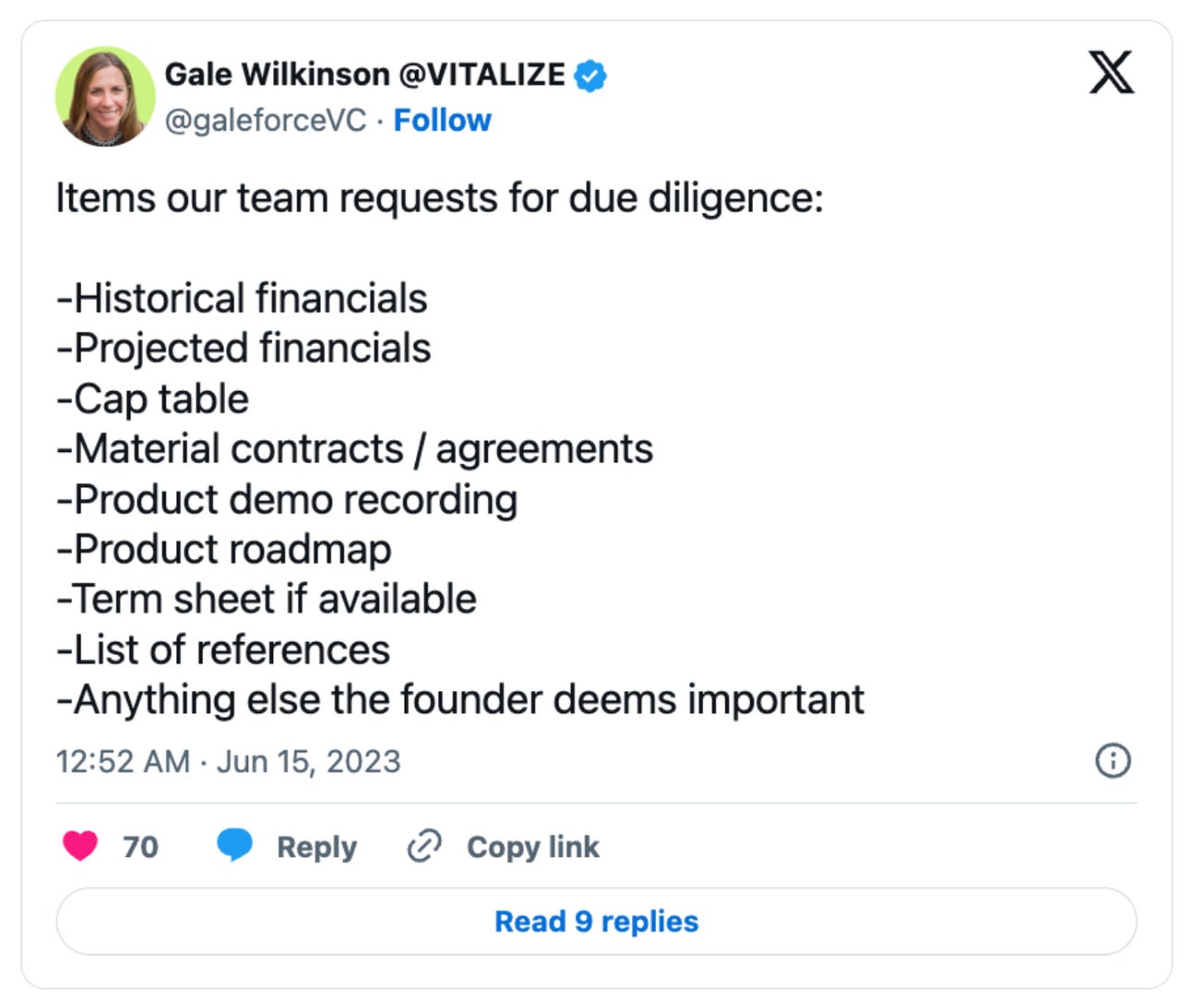
Investors reconcile revenue from raw exports. They rebuild retention cohorts. They recompute CAC payback. They analyse burn multiple relative to growth. They evaluate revenue concentration and hiring forecasts against runway.
Precision matters.
If reported metrics align exactly with reconstructed metrics, credibility rises sharply. It signals control over your operating engine. If inconsistencies appear, even minor ones, hesitation creeps in.
Hesitation slows deals.
And in competitive rounds, speed influences pricing.
5. Market Size & Return Logic
Every startup claims a large market.
Few quantify it rigorously.
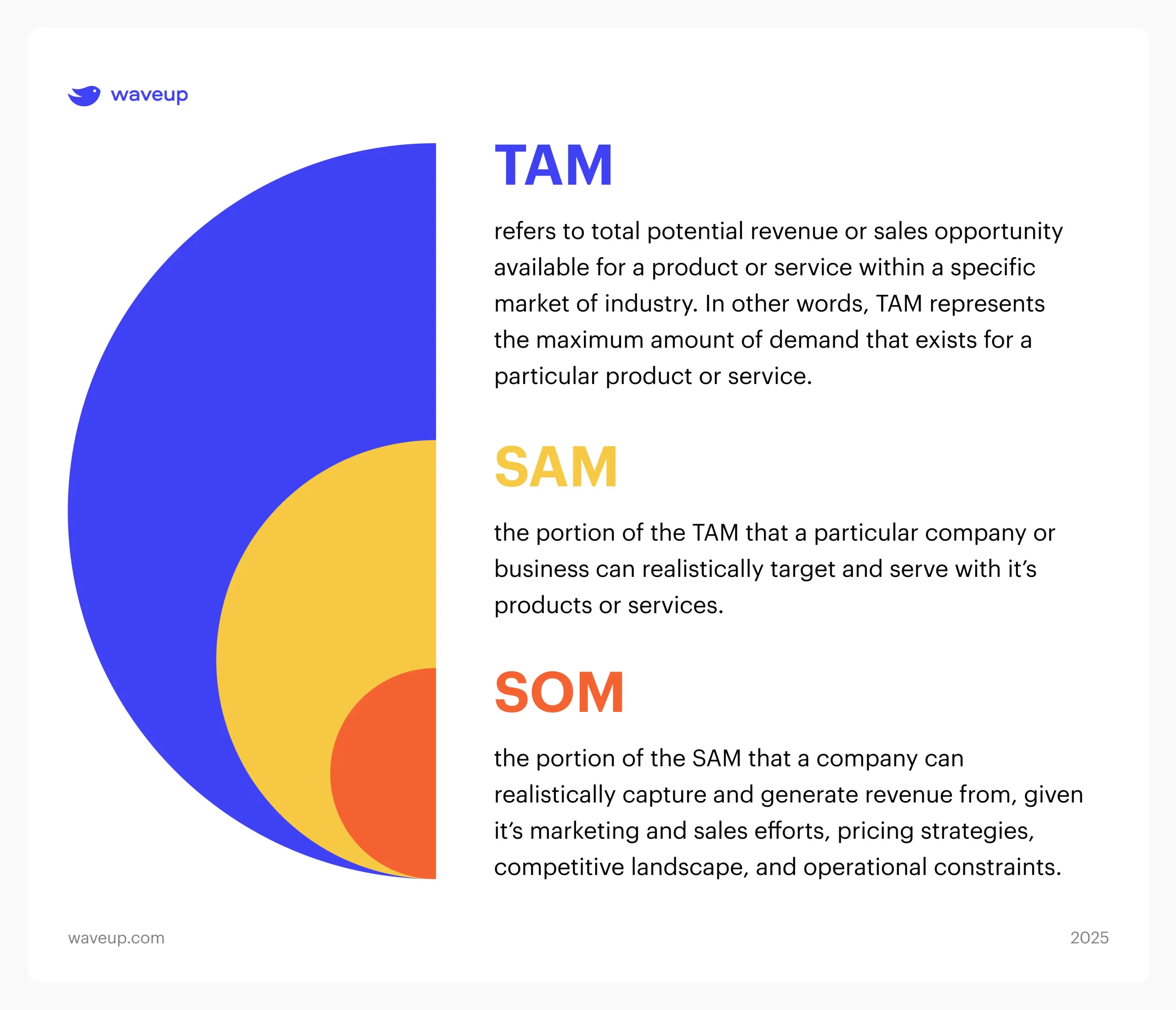
Investors break market opportunity into layers: total addressable market, reachable segment, and realistic capture assumptions. They assess competitive density, switching costs, pricing power, and expansion vectors. They stress-test whether the company can realistically reach a scale that produces venture-level returns.
Because venture math is unforgiving.
A respectable exit may still be insufficient for a fund that needs a 20x outcome. Investors evaluate not only whether you can win, but whether winning returns their fund.
Understanding this dynamic allows founders to frame ambition and scale in fund-aligned terms.
6. Legal & Structural Cleanliness
Legal diligence is methodical.
Incorporation documents, share classes, board approvals, employment agreements, regulatory exposure, and litigation risks are reviewed systematically. Cross-border structures are assessed for alignment. Regulated sectors face deeper scrutiny.
This layer determines pace.
Clean documentation accelerates closing. Missing approvals or unclear agreements trigger counsel review and delay timelines. In competitive rounds, delay reduces leverage. In marginal deals, delay quietly erodes momentum.
Organisation signals competence.
Competence builds confidence.
The Overlooked Variable: Process Energy
Beyond spreadsheets and contracts, investors evaluate how the process feels.
Are materials delivered quickly?
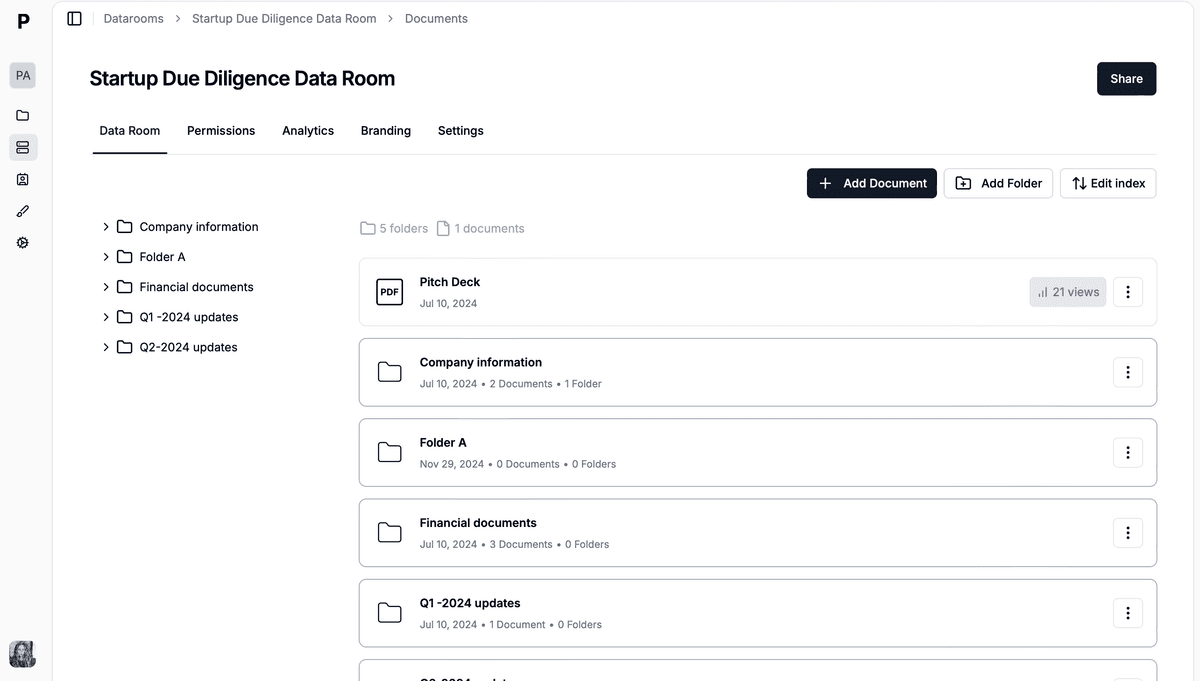
Is the data room structured logically?
Do answers remain consistent across meetings?
Process energy becomes a proxy for execution ability.
If diligence feels chaotic, investors extrapolate that chaos into future board meetings. If it feels structured and decisive, they extrapolate discipline.
Perception influences pricing more than most founders expect.
Why Small Issues Become Big Signals
Most deals do not collapse because of one catastrophic flaw.
They weaken through accumulated friction.
A cap table discrepancy.
A missing IP assignment.
A metric mismatch.
A vague answer under pressure.
Each issue may be solvable in isolation. Together, they reduce conviction. And venture capital is a conviction business.

When two comparable companies compete for capital, the cleaner one wins.
Not always because it is better.
But because it feels safer to underwrite.
The Educational Reframe
Due diligence is not a hurdle to survive.
It is a readiness audit.
The strongest founders run internal diligence before they ever raise. They reconcile metrics independently, model dilution scenarios, clean up IP documentation, structure data rooms intentionally, and prepare thoughtful answers to difficult questions. When investors begin probing, nothing surprises them.
Diligence becomes confirmation rather than interrogation.
Below, you’ll find the exact due diligence spreadsheet template that mirrors how real VCs structure their reviews. If you’re raising, or even thinking about raising, you need this. Run it before investors do. It will surface blind spots early, sharpen your preparation, and materially increase the probability that your next diligence process feels controlled instead of chaotic.