

Most pre seed and Seed founders do not fail because they make bad decisions.
They fail because they make too many reasonable ones.
A new feature here.
A new market there.
A hire that supposedly unlocks speed.
A partnership that could be big.
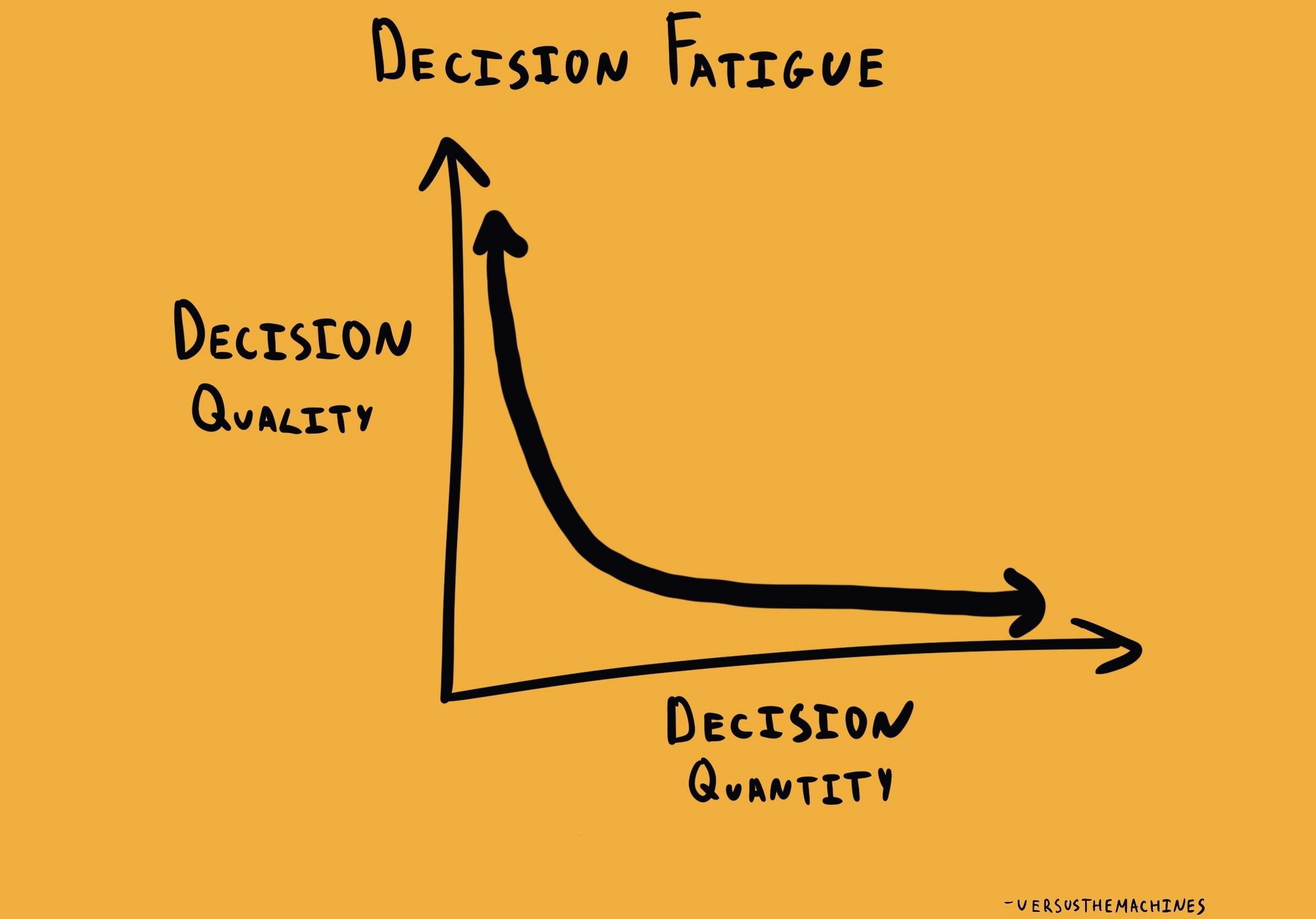
Each choice makes sense in isolation. Each one feels important. And yet twelve months later the company has not fundamentally changed.
Revenue is slightly higher. The product is more complex. The deck is prettier.
But nothing compounds.
This is the quiet failure mode of early stage startups: lack of focus.
The 12 Month Focus Test exists to prevent exactly that.
Brought to you by Lindy: Hire an AI employee, not another chatbot
Most AI assistants stop at words. They draft emails, summarize threads, and make suggestions. Then the real work lands back on your plate. Lindy is built to close that gap.
With Lindy, you create AI employees that actually run work end to end across email, calendar, CRM, Slack, and internal tools. You describe the role, Lindy turns it into an agent, and that agent takes action. Scheduling meetings. Following up leads. Triaging inboxes. Updating systems. Coordinating workflows automatically.
This is not prompt and pray. It is reliable execution, with triggers, actions, and optional human approval when it matters.
Lindy also comes with a growing library of ready made agents, so teams start from proven workflows and tailor them, instead of building everything from scratch.
Built for founders and operators who want leverage, speed, and output without adding headcount.
If you want AI that actually shows up and does the work, Lindy is built for that.
Table of Contents
🧱 The Uncomfortable Truth About Focus
⏰ Why Urgent Always Beats Important Unless You Intervene
🔍 The Test Itself And Why It Is Harder Than It Looks
🔗 Focus Is Not About Doing Less It Is About Choosing The Bottleneck
🏗️ What This Looks Like In Real Companies
⚠️ The Most Common Mistake Founders Make With Focus
🧠 Founders Wisdom: A Braindump On Prioritisation
🗂️ The Discipline Most Founders Skip The Not This Year List
💡 Founders OS: The 12 Month Focus Operating System
🤝 How This Changes Your Relationship With Investors
🔁 What A Focused Year Actually Feels Like
❓ The Final Question
🧱 The Uncomfortable Truth About Focus
Founders often say they are struggling with prioritisation.
What they are actually struggling with is commitment.
Real focus is not about choosing what to do next week.
It is about choosing what deserves a year of your life.
That is a much harder decision.
Because a year is long enough that tradeoffs become real. You cannot pretend everything fits. You cannot hide behind we will see how it goes. A year forces you to accept that saying yes to one thing means saying no explicitly to several others.

Most founders avoid that moment. They stay flexible. Open. Opportunistic.
And that is how they end up scattered.
⏰ Why Urgent Always Beats Important Unless You Intervene
Urgent work shouts. Important work whispers.
Urgent work comes with Slack messages, customer emails, investor questions, competitor screenshots, internal pressure. It gives you the immediate relief of having done something.
Important work is quieter and slower. It often looks like staring at the same metric for weeks. Re running onboarding. Talking to users who already churned. Saying not yet to exciting opportunities.
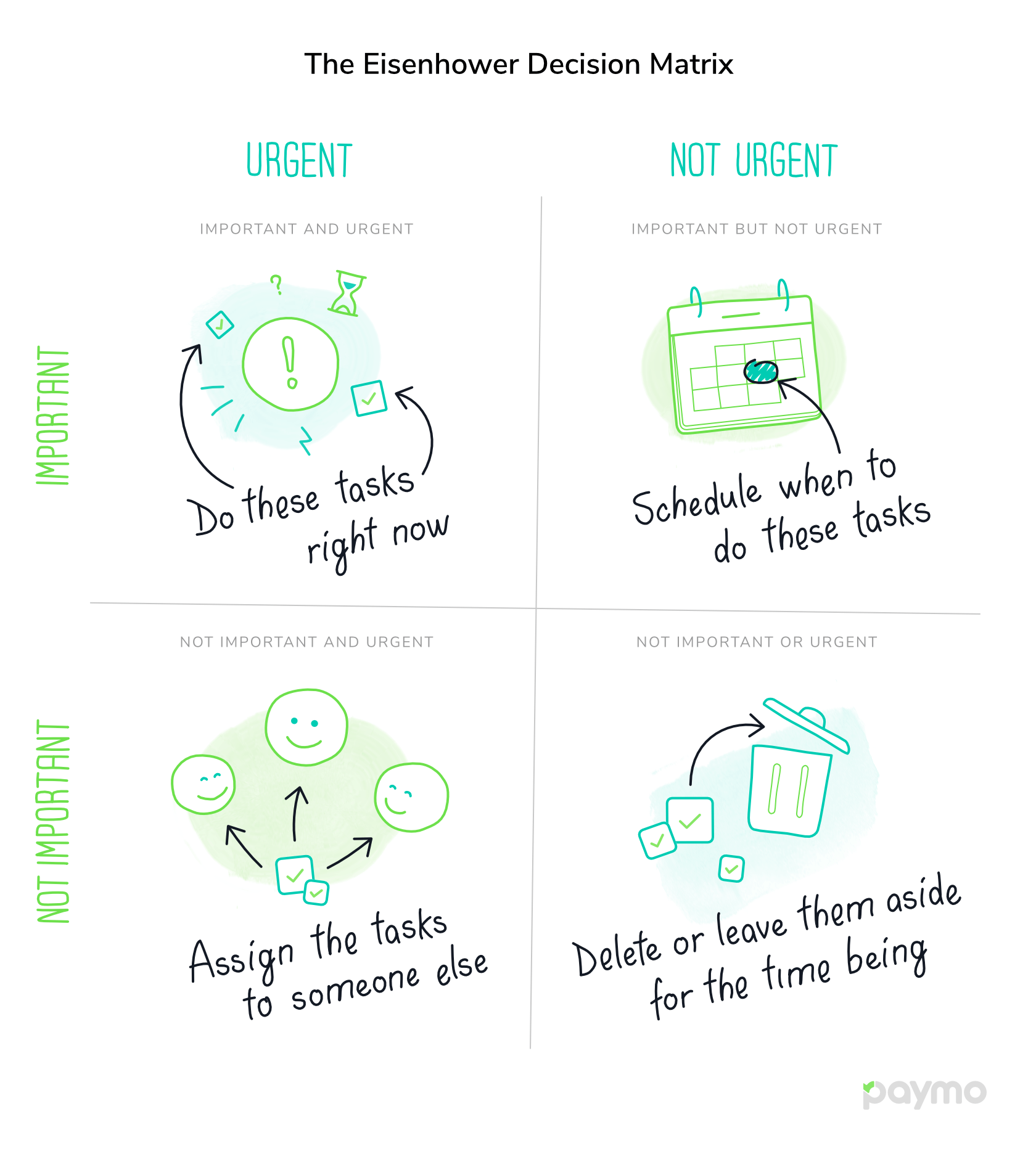
So founders default to urgency. Not because they are naive but because urgency feels like leadership.
The problem is that urgency optimises for short term relief, not long term advantage.
The 12 Month Focus Test is a way to deliberately override that instinct.
🔍 The Test Itself And Why It Is Harder Than It Looks

The test is deceptively simple:
If this is the only thing we materially improve over the next twelve months will the company be meaningfully stronger
Not slightly better.
Not more impressive.
Stronger in a way that changes what becomes possible next.
When founders run this honestly most initiatives collapse under their own weight.
That new feature is nice but it does not fix the core problem.
That expansion plan is premature.
That rebrand is cosmetic.
That partnership depends on too many things you do not control.
What survives the test is usually uncomfortable, unglamorous and deeply structural.
That is a feature not a bug.
🔗 Focus Is Not About Doing Less It Is About Choosing The Bottleneck
At early stages every startup has a dominant constraint. Something that if left unresolved quietly caps everything else.
It might be that users do not reach value fast enough.
Or that they do not come back.
Or that acquisition works but only when the founder is personally involved.
Or that sales cycles drag because buyers do not trust you yet.
Great founders do not try to fix all of this at once. They identify the constraint and organise the company around bending it.
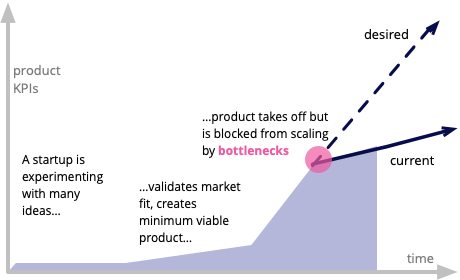
That is what a focused year actually means.
🏗️ What This Looks Like In Real Companies
Early Airbnb is a good example of focus done right.
They did not start by expanding aggressively into new cities or launching endless features. Their problem was simpler and more painful: listings did not convert. Guests would browse and bounce. Hosts would not get booked.
So the company spent an extraordinary amount of time improving listing quality. Better photos clearer information tighter presentation. It was manual. Unscalable. Almost embarrassing by startup standards.
But it worked.
Fixing conversion did not just help one metric. It made every future growth effort more effective. Paid acquisition worked better. SEO worked better. Word of mouth worked better.
That is the signature of a good twelve month focus choice: progress in one area multiplies everything else.
Stripe made a similar decision early on in a different way.
They could have built a broad fintech platform quickly. Instead they obsessed over becoming the default choice for developers. Documentation, APIs, reliability, and speed mattered more than surface area expansion.
The result was not just adoption. It was distribution embedded inside a community. Developers brought Stripe with them from company to company. That is not growth you buy. That is growth you earn.
Again a single focus compounded outward.
Or take Superhuman which famously refused to scale aggressively until retention crossed a very high bar. They treated product love as a gating factor not a nice to have.
That decision delayed growth in the short term and dramatically increased its quality later. Retention improved acquisition efficiency pricing power referrals and narrative credibility all at once.
Different companies. Different constraints. Same discipline.
⚠️ The Most Common Mistake Founders Make With Focus
They mistake themes for focus.
Saying this year we are focusing on growth or this year is all about GTM does not constrain anything. It does not force tradeoffs. It does not tell the team what not to do.
Real focus is specific enough that it creates tension.
For example:
Choosing to improve time to first value even if it delays new features
Fixing retention even if headline growth slows
Making sales repeatable even if it means fewer deals this quarter
If your focus does not make at least one smart person uncomfortable it is probably not real.

🧠 Founders Wisdom: A Braindump On Prioritisation
In one of my Braindumps, I wrote about a pattern I see constantly in early stage founders: they are busy, disciplined, and working hard, yet the company barely moves. That post was about effective prioritisation, and it is the same muscle the 12 Month Focus Test is trying to build.
👉 Read that Braindump here:
The mistake is not laziness. It is mistaking efficiency for effectiveness.
Early on, efficiency feels responsible. You ship quickly. You close loops. You keep momentum high. But efficiency without focus just accelerates noise. You get very good at doing things that do not materially change the trajectory of the company.
What actually matters at this stage is having the courage to concentrate force.
That means choosing a narrow problem and working on it long enough for the effect to compound. It means disappointing good ideas in order to protect the one that matters. And it means accepting that progress often feels slower before it feels decisive.
Most founders do not need better tools or tighter processes. They need a sharper filter.
The 12 Month Focus Test is that filter.
🗂️ The Discipline Most Founders Skip The Not This Year List
The fastest way to clarify focus is subtraction.
Every founder should maintain a living list titled Not This Year.
Not later.
Not eventually.
Not this year.
This is where good ideas go to wait their turn.
The act of writing these things down does something powerful. It frees cognitive space. You stop relitigating decisions. You stop half working on things you have already decided not to prioritise.
More importantly it gives your yes teeth.

A focused year is not defined by what you add. It is defined by what you deliberately refuse to pursue.
💡 Founders OS: The 12 Month Focus Operating System
Focus only works when it is operationalised.
Once per quarter, write a one page Focus Brief and treat it as your internal operating system. Not a strategy deck. Not a vision doc. A working reference.
It should answer five questions clearly:
What is the single constraint we are attacking
What metric tells us if it is bending
What work directly moves that metric
What work is explicitly paused
What would need to change for us to revisit this decision
This document should be visible, referenced in weekly reviews, and used to evaluate new ideas. When something tempting comes up, the question is not is this good, but does this serve the focus.
If the Focus Brief changes every few weeks, that is not speed. It is thrash.
Founders who run this way make fewer decisions day to day because the hardest one has already been made. Focus stops being a mindset and becomes infrastructure.
🤝 How This Changes Your Relationship With Investors
Here is something founders often underestimate: clarity builds more investor confidence than ambition.
When a founder can clearly articulate the single biggest constraint in the business, why it matters more than everything else, and what they are not doing as a result, conversations change.
Board meetings become sharper. Updates become calmer. Fundraising narratives become more credible because they are anchored in causality not aspiration.
Investors do not need you to do everything. They need you to do the right thing and stick with it long enough for compounding to show up.
🔁 What A Focused Year Actually Feels Like
This part surprises founders.
A focused year often feels repetitive.
You look at the same metric every week.
You run variations on the same experiment.
You have the same hard conversations again and again.
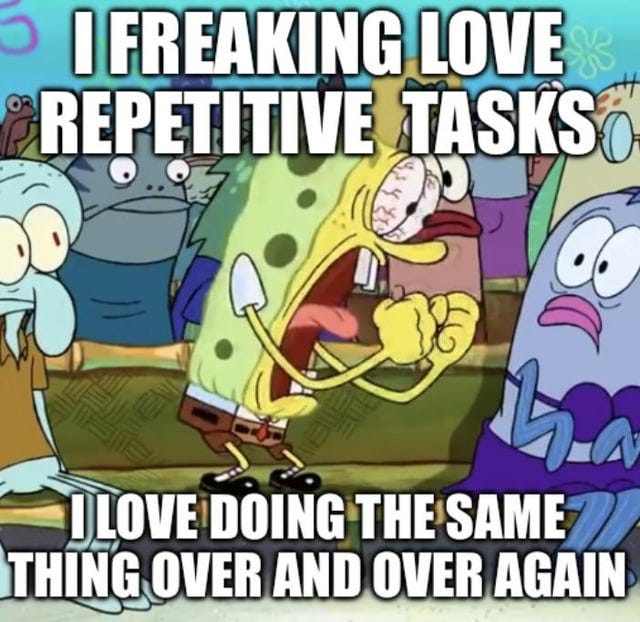
It does not feel like constant progress. It feels like pressure applied in one place.
But that pressure is what creates movement.
Compounding does not announce itself. It sneaks up quietly at first then all at once.
❓ The Final Question
Before you lock your roadmap your hiring plan or your fundraising story pause and ask yourself:
What is the one thing that genuinely deserves the next year of my attention
Not the thing that looks best in a deck.
Not the thing that feels busiest.
The thing that if improved meaningfully makes the rest of the company easier to build.
Answer that honestly and you do not just get focus.
You give your startup a chance to compound, which is the only thing that really matters at this stage.
If this resonated, forward it to a founder who feels busy but stuck. And if you want more operator grade thinking like this, subscribe to The Founders Corner. I write for founders who want clarity, not noise.
Want the full BrainDumps collection?
I’ve compiled all 70+ LinkedIn BrainDumps into The Big Book of BrainDumps. It’s the complete playbook for founders who want repeatable, actionable growth frameworks. Check it out here.
I think the Focus Brief format is genuinely useful considering how founder's juggling these days, and that applies to me too. its a good practice to write down numbers on whats working and what not and exact problems one's solving in plain simple language. 👍