


If you’re building, investing, or just trying to stay ahead of the curve, you’re in the right place. Every week, we break down the latest insights, funding news, and founder-friendly gems. Just what matters. Plus, we track the freshest VC funds deploying capital so you know where the money’s moving.
Let’s get into it.
together with Metaview
Hiring eats the hours you need for building, and the best candidates move fast.
fillmore by Metaview is your AI recruiting coworker:
▫️ Finds great candidates and researches their backgrounds
▫️ Runs personalized outreach and follow-ups, 24/7
▫️ Books interested candidates straight into your calendar. You approve in Slack and show up for the calls
Teams like throxy (YC P25) and Ambience Healthcare see up to 49% candidate response rates, with outreach live 7 minutes after calibration.
Book a demo to see fillmore in action:
In-Depth Insights 🔍
One Stripe Export Can Power a Board-Ready CEO Dashboard 📊
An Excel workbook converts a Stripe or CRM export into eight KPIs, four charts, 14 data checks and 10 Claude prompts. Its fictional example, Northwind Metrics, records 6% monthly MRR growth, a 0.6x burn multiple and 90.7% net revenue retention over 12 months.

Lightsprint Raises $6.1M to Let Product Teams Ship AI-Written Code 💻
Lightsprint, a graduate of Y Combinator’s Spring 2026 batch, raised a $6.1 million seed round led by 645 Ventures. Product managers and designers describe changes in plain language, AI agents generate code, and engineers retain control over pull request merges, with the company reporting three times more code shipped per team.

38 Lessons From Four Years Building AI Products at PostHog 🧠
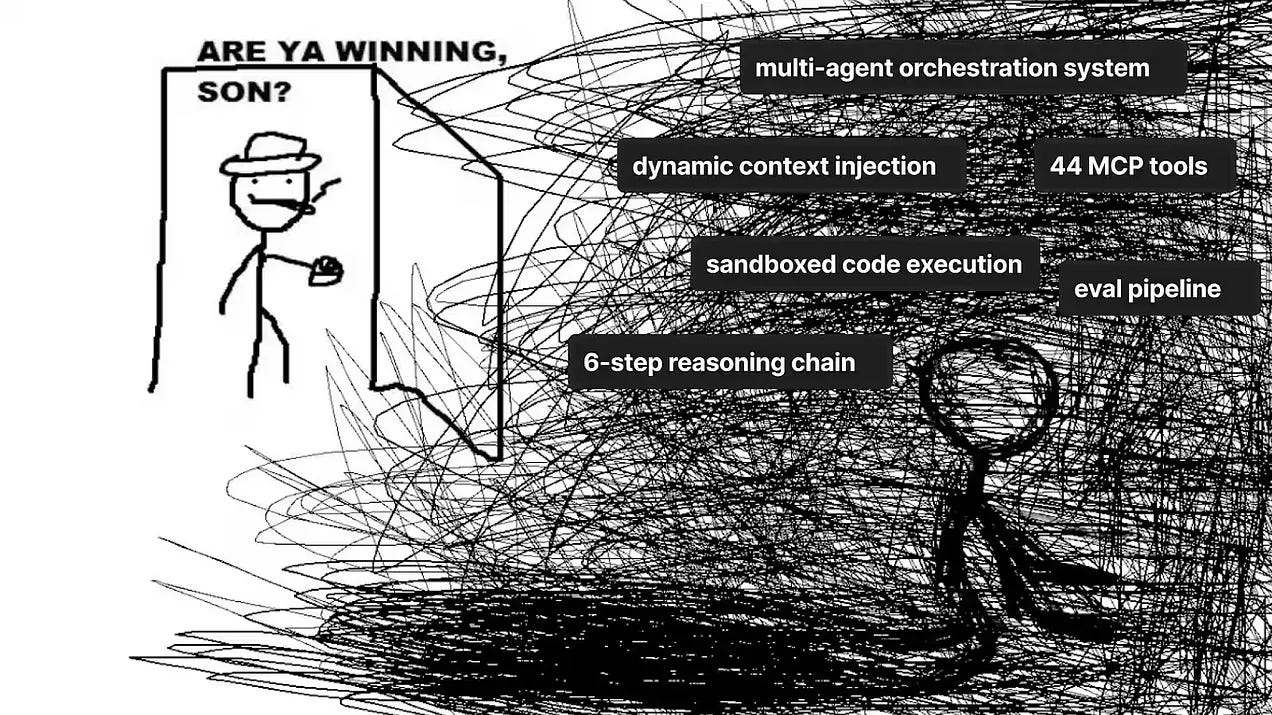
PostHog has launched 10 AI products, including PostHog AI, Install Wizard, Replay Vision and Scouts, with nearly 100,000 monthly users. Its operating lessons span MCP servers, agent context, skills, evaluations, observability, unit economics and making every agent action visible to users. [Ian Vanagas]
Harbor Raises $10M to Insure Companies Against AI Agent Risk 🛡️
Harbor emerged from stealth with a $10 million seed round co-led by Base10, Abstract and 8VC, founded by four Stanford alumni. Its platform evaluates the risks of individual agents, blocks decisions that violate company rules and provides insurance coverage for the remaining risks.

Hiring Too Early Can Make a Startup Slower 📉
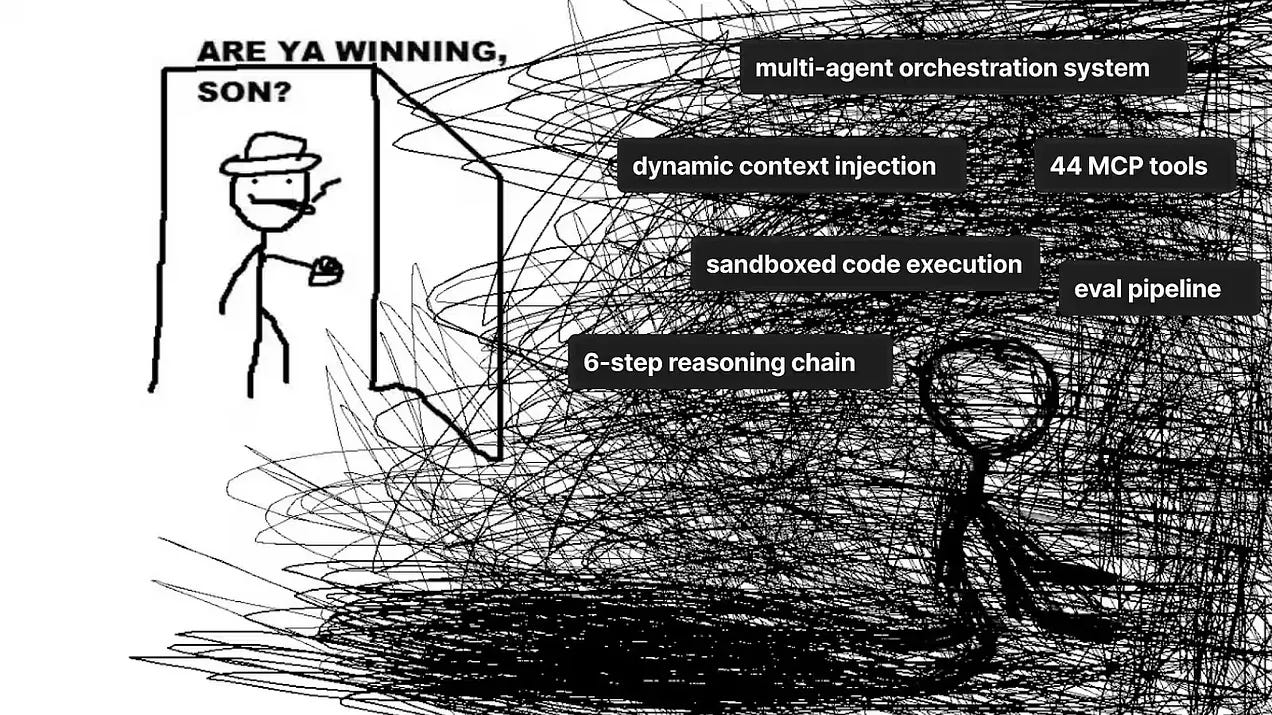
A startup expanded from three or four people to more than 20 after its seed round, only to lose speed as communication and management overhead increased. Scaling before product-market fit created more coordination costs than execution capacity, forcing the team to shrink and exposing why hiring cannot compensate for founders’ weaknesses. [xiaofeidu.com]
Code Is No Longer a Durable Software Moat 🏰
An open-source Rust reimplementation of Photoshop emerged within weeks, illustrating how AI lowers the cost of replicating features users can observe. Defensibility increasingly depends on proprietary live data, distribution, customer trust, accountability and ownership of the outcomes customers pay for. [Mathias Klenk]

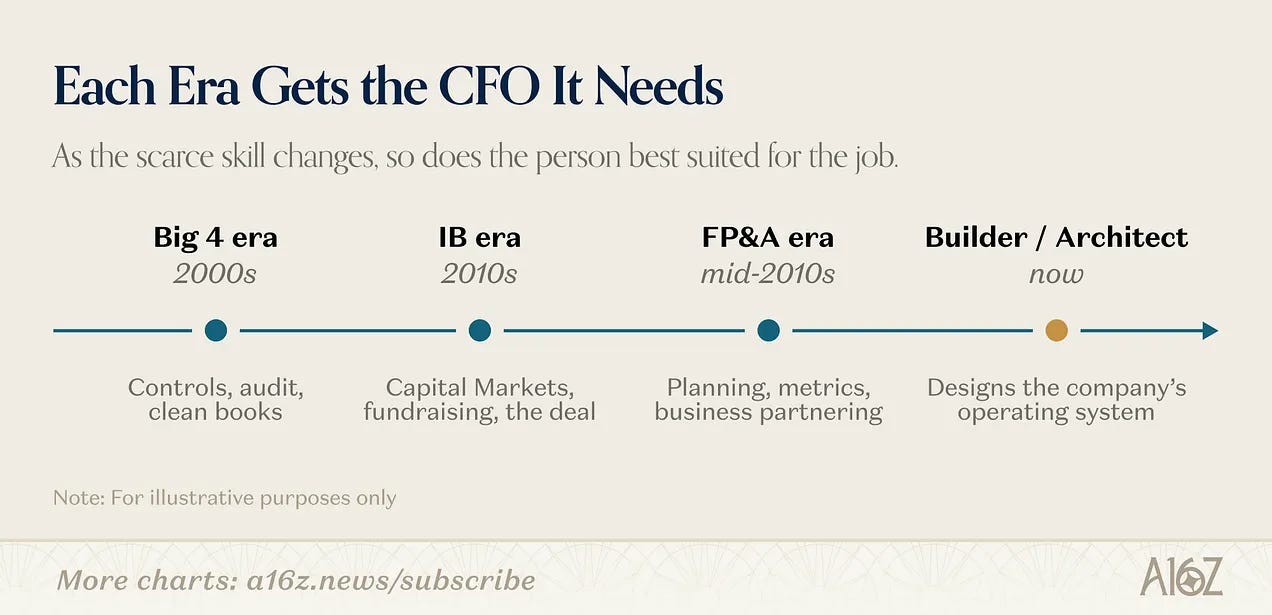
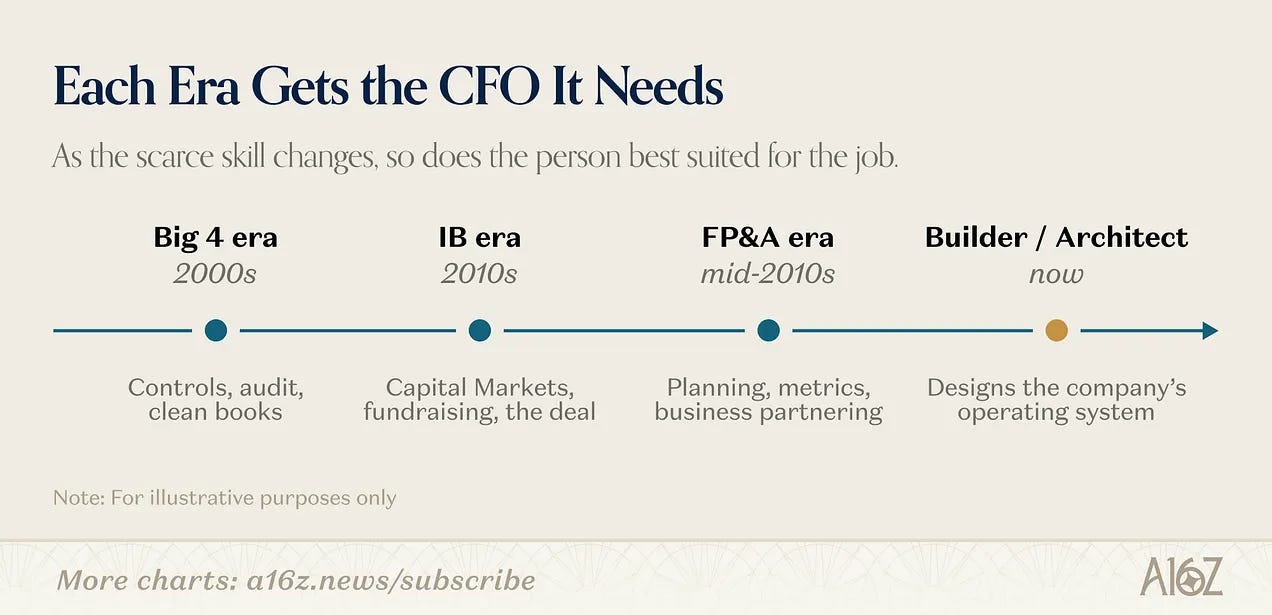
The CFO Is Becoming the Architect of Company Operations ⚙️
AI-native finance tools are automating workflows across ERP, procurement, tax and accounts receivable, while finance teams build their own agents and automations. Some lean finance teams now target 2% of company headcount instead of the traditional 5% benchmark, with continuous planning, embedded controls and broader strategic responsibilities. [Seema Amble, Ivan Makarov and David Borecky]
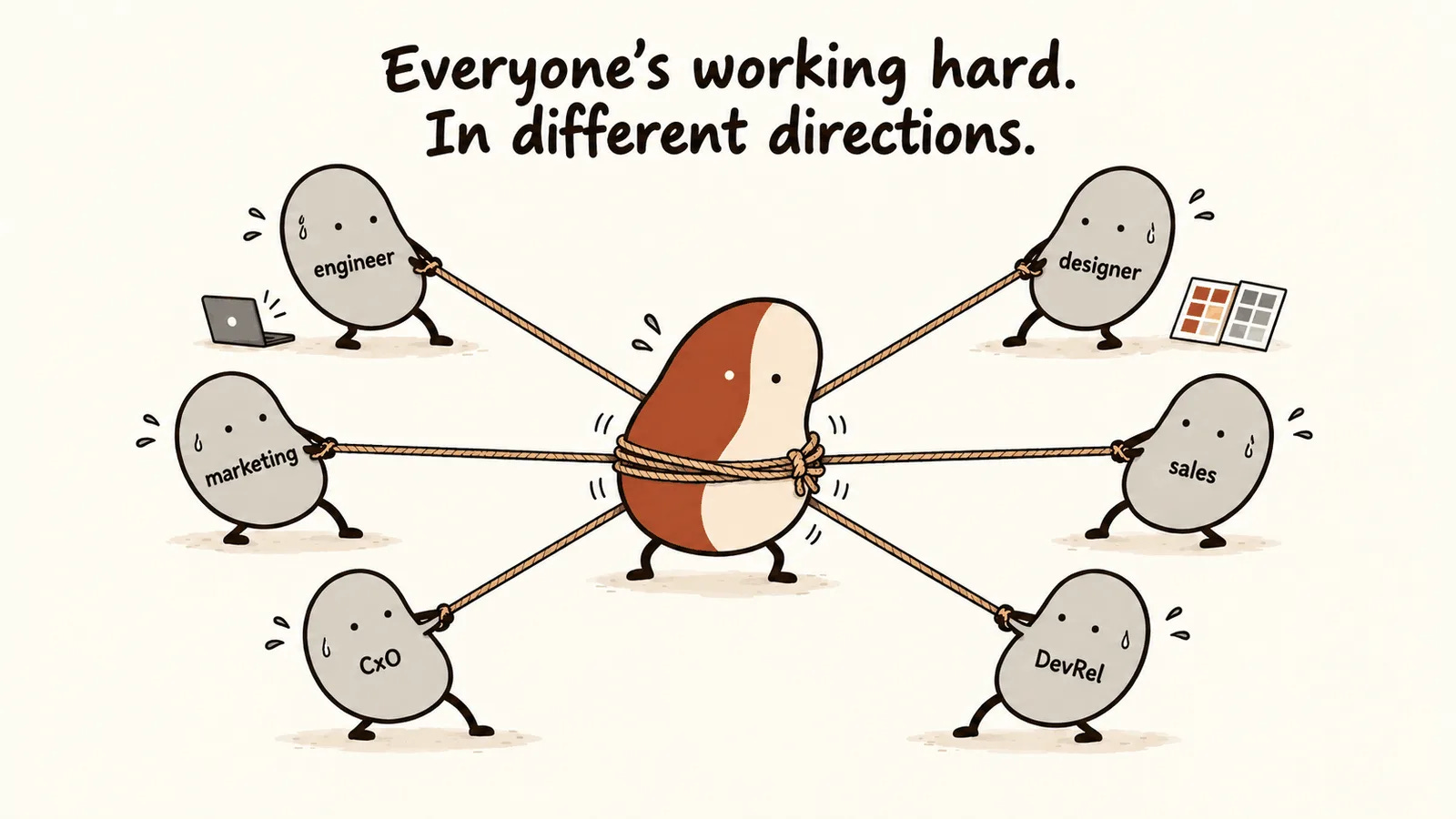
Logo Churn Can Start With Sales Compensation and Territory Design 🎯
A Series A company with $6 million in ARR and five account executives lost 30% of its previous year’s new customers within 12 months, tracing the problem to account selection and sales incentives. The proposed fixes include defining the ideal customer profile around faster adoption and higher net revenue retention, assigning smaller named territories and rewarding reps more for high-value customers. [Liz Christo]



Social Media Gems 💎
Zuckerberg Delivers a Dublin-Sourced Keg of Guinness to The Cheeky Pint 🍺
Mark Zuckerberg arrived at The Cheeky Pint with a keg of Guinness shipped directly from Dublin and handed it to the host. The visit followed a trip to Dublin earlier that week, turning the imported beer into an informal gesture rather than a typical executive appearance.
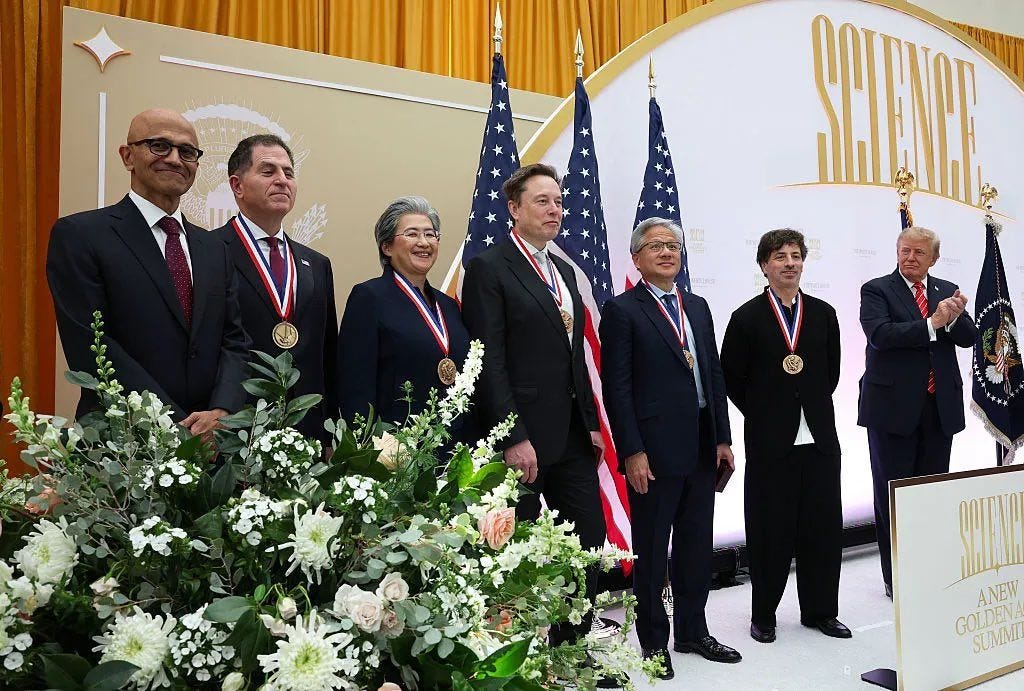
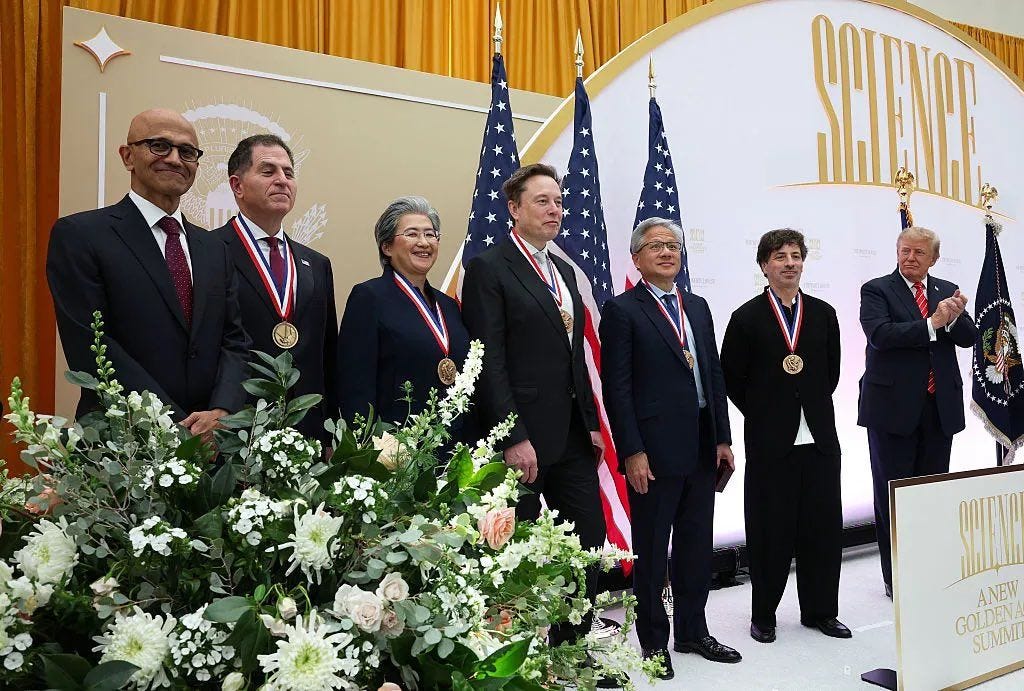
Five Foreign-Born Leaders Run Major American Tech Companies 🌍
Satya Nadella was born in India, Lisa Su and Jensen Huang in Taiwan, Elon Musk in South Africa, and Sergey Brin in Russia, with all five leading major US technology companies. Their backgrounds illustrate how global talent has shaped America’s technology sector, from semiconductor manufacturing and cloud computing to electric vehicles and internet platforms.
Zuckerberg Assigns Kunal Shah to Lead WhatsApp’s Commerce Push 💬
CRED founder Kunal Shah is taking on a leadership role at WhatsApp as Mark Zuckerberg pushes to expand commerce on the messaging platform, particularly in India, its largest market. Zuckerberg rates the challenge a 10 out of 10 in difficulty, signaling that WhatsApp’s commercial opportunity remains substantial but unfinished.
Meta Commits Significant Compute to Muse Wonder Pre-Training 🧠
Muse Wonder’s pre-training consumed a major share of Meta’s compute resources, with Mark Zuckerberg and Alexandr Wang navigating prolonged uncertainty during the process. Because frontier-model training offers few comparable examples, evaluating progress and predicting outcomes requires reasoning through the training process rather than relying on established benchmarks alone.
Four Types of Ambition for Working With AI Models: Speed, Altitude, Depth and Range 🚀
Each type comes with practical techniques, from identifying the goal behind the goal to using expert-level tools and drawing on knowledge from multiple fields. Research on self-efficacy suggests that setting specific, challenging goals can produce better performance than simply telling people to do their best. [Felix Rieseberg]

TypeSafe Launches Jev and Raises a Series A Led by Andreessen Horowitz 💰
Jev processed more than one trillion tokens in three days, attracted adoption across 29.4% of Fortune 500 companies, and grew its Discord community beyond 100,000 builders. TypeSafe secured its Series A just three weeks after launch, highlighting rapid early traction as the company begins expanding its team. [Diogo Alemeida]
Microsoft Turns Copilot Into a Platform for Enterprise Software Creation 💻
Microsoft introduced more than 30 Copilot skills across Dynamics 365 Sales, Service, and Customer Insights, alongside Copilot Managed Runtime for running code within company environments under IT governance. With Code in Copilot, businesses can describe their requirements and build customizations or entire SaaS modules connected to existing systems of record, positioning Copilot as both a workplace interface and a software development platform. [Satya Nadella]

Trending News ⚡
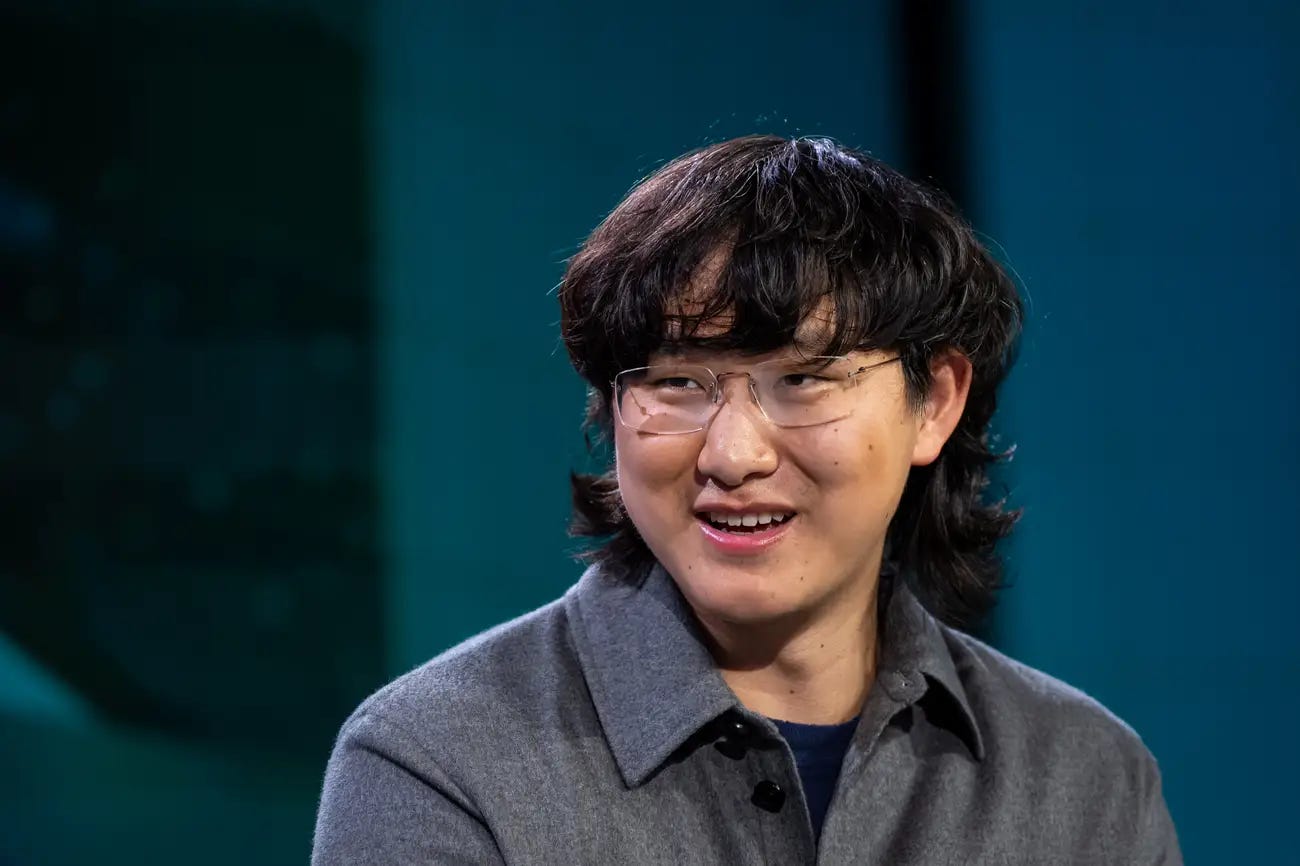
Alexandr Wang Saw Zuckerberg’s Speed and Focus Firsthand 💬
Before joining Meta, Alexandr Wang received detailed WhatsApp advice from Mark Zuckerberg and noticed how quickly he wrote while ruthlessly prioritizing his time. Within five or six weeks of Zuckerberg reaching out, Meta announced a 49% stake in Scale AI. [Business Insier]
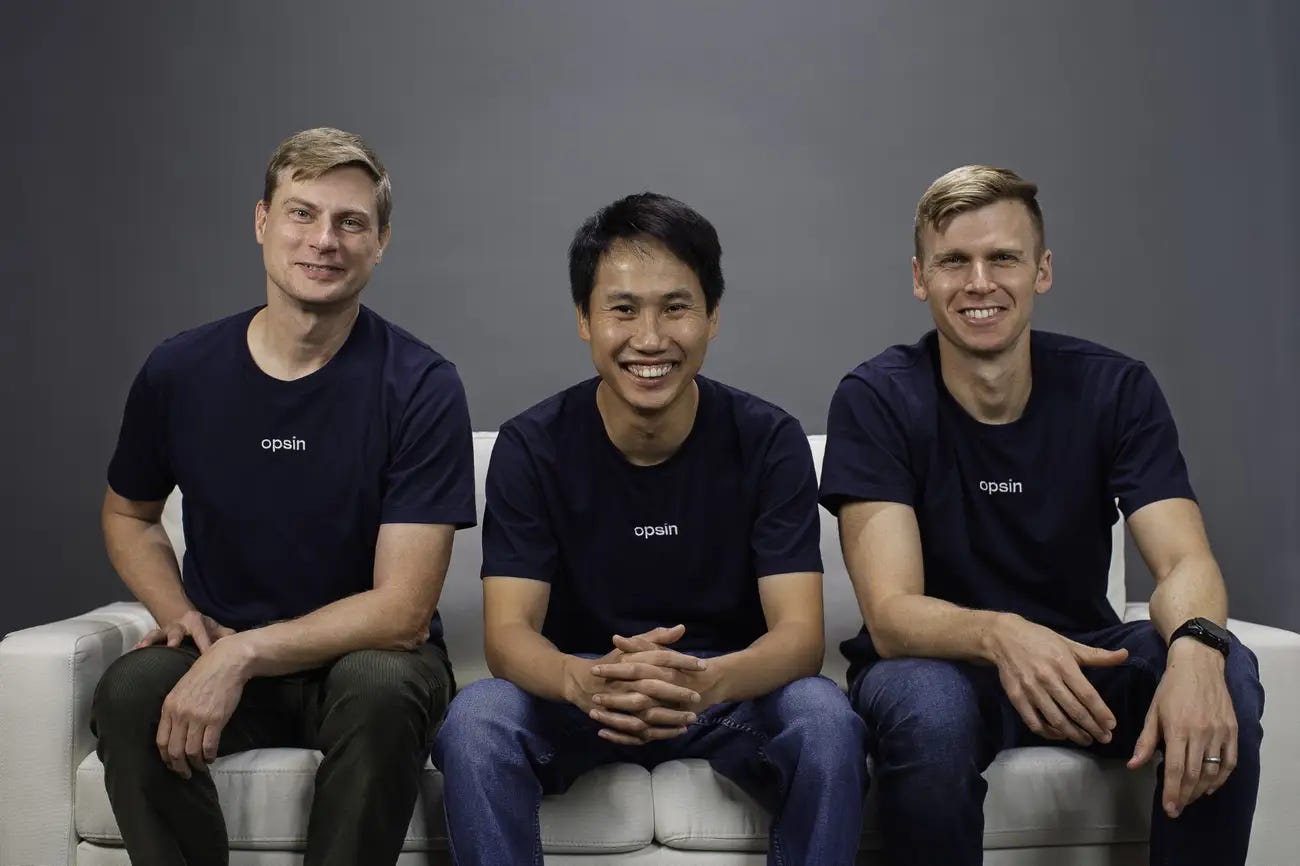
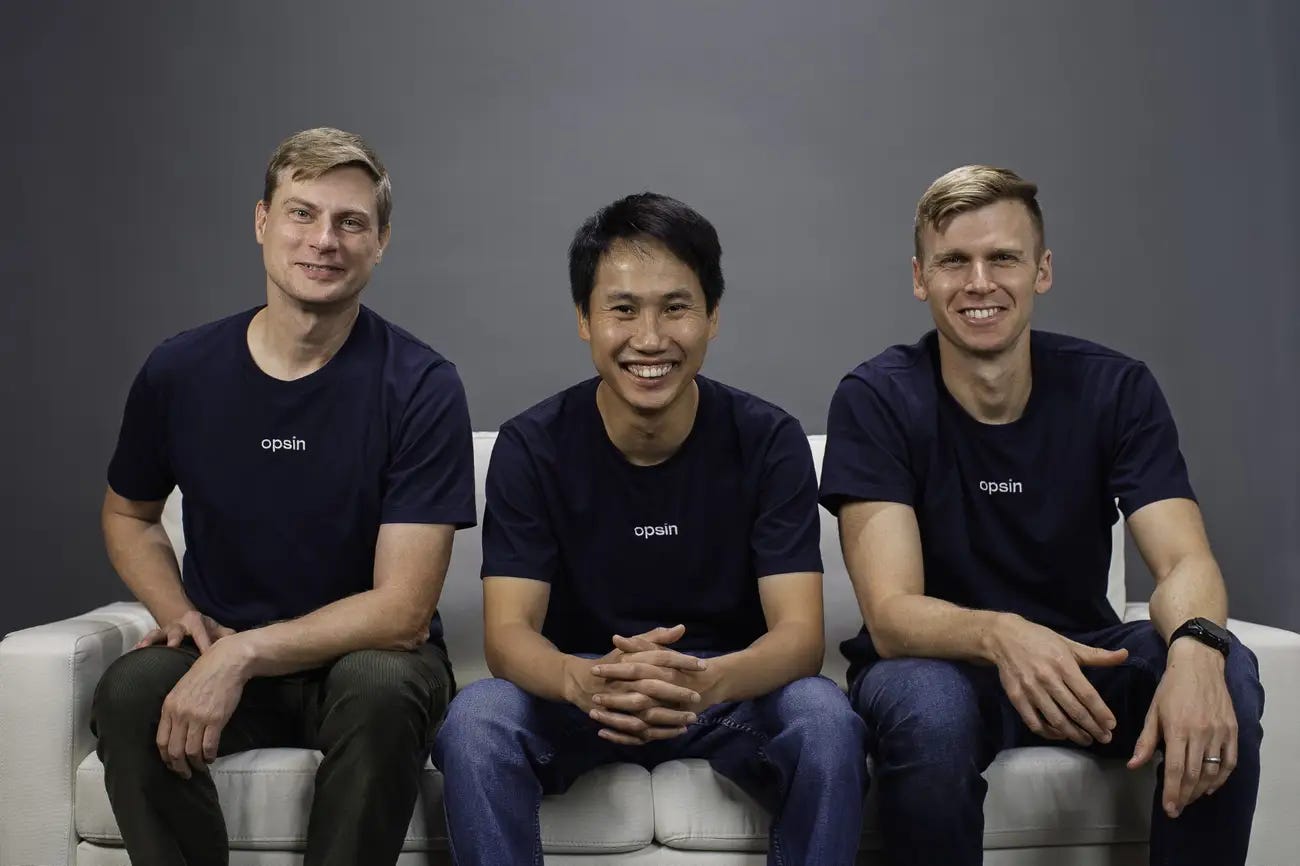
Opsin Raises $21 Million to Secure AI Agents 🛡️
Opsin tracks where AI agents operate, which tools and data they access, and which behaviors pose risks, giving companies continuous visibility into their AI workforce. SYN Ventures and Race Capital led the round to expand the roughly 20-person company's sales and engineering teams. [Business Insider]
SpaceX Promises Refunds for Grok Agent Purchase Errors 💳
SpaceX will reimburse users if Grok's AI agent makes a purchasing mistake or exposes their card information. Grok, Meta, and OpenAI generally place transaction responsibility on users under their published terms, making SpaceX's explicit reimbursement pledge a notable difference. [Business Insider]

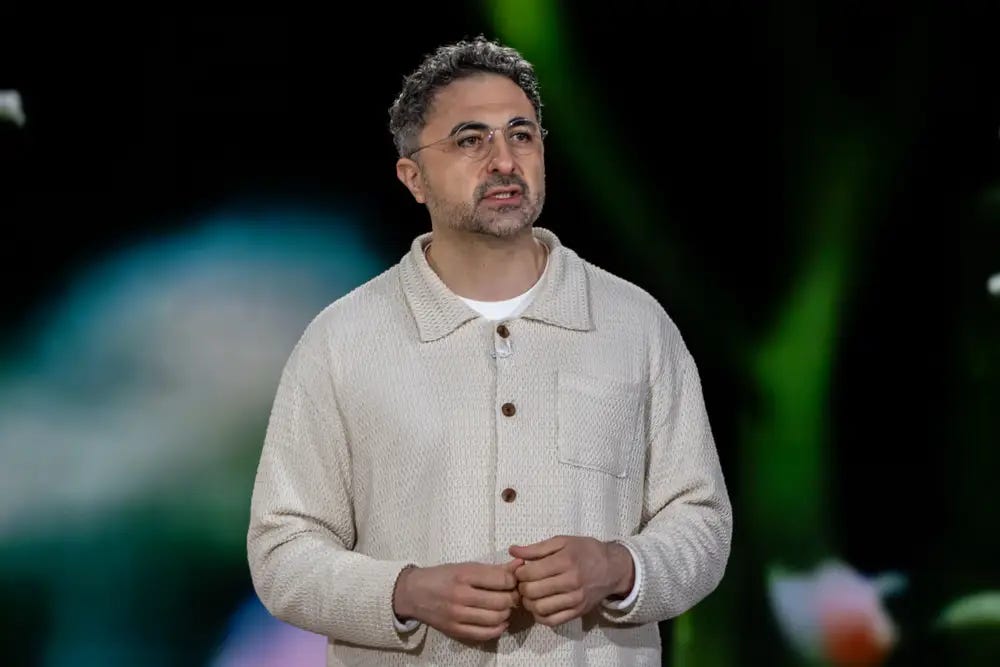
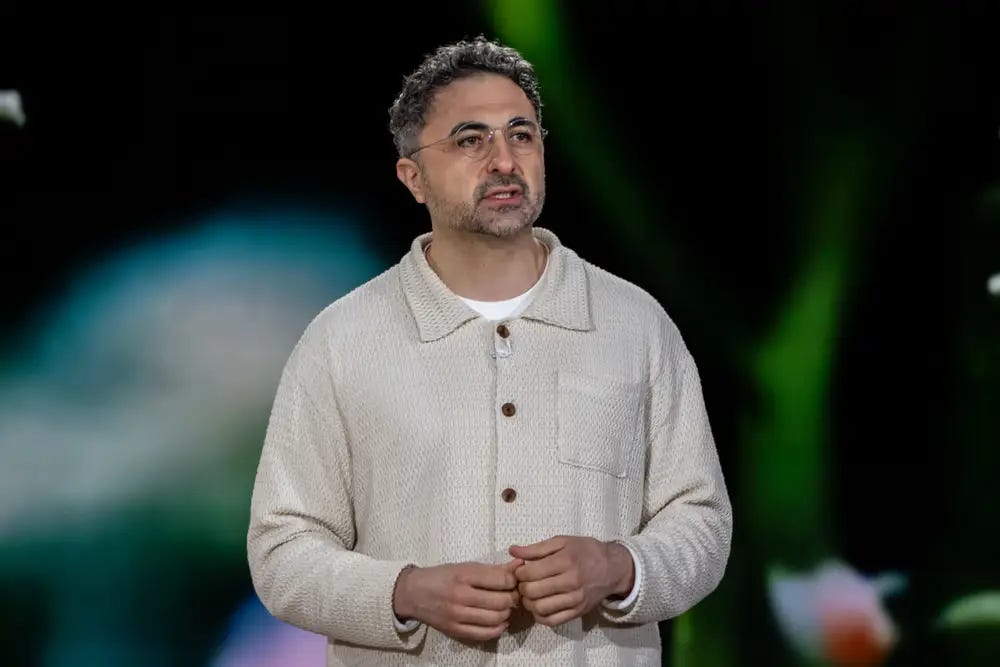
Microsoft Claims Its MAI-Base-2 Model Outperforms OpenAI’s Base Model 🧪
Microsoft AI CEO Mustafa Suleyman told employees that MAI-Base-2 is a stronger pretrained base model than the one powering GPT-5.6, using one-quarter of OpenAI's training compute. Microsoft also says its pretraining required 12 times less computation than DeepSeek-V4-Pro-Base. [Business Insider]
OpenAI Accuses Former Employee at Apple of Taking Confidential Files ⚖️
A new court filing alleges that a former OpenAI employee sent more than 100 files about an unreleased product to a personal account and later presented the product to senior Apple leadership. Apple says it has found no supporting evidence, and the case is expected to go to trial in October 2027. [Reuters]

OpenAI Uses Its Models to Investigate a Hidden Office Recording Device 🎙️
OpenAI used its models to analyze a recording device planted in an office, identified a suspected employee, and referred the matter to the FBI, which made an arrest. The employee was terminated, the investigation remains ongoing, and there is no indication that model weights, source code, or customer data were accessed. [OpenAi Newsroom]
Character.ai Files for Chapter 11 to Pursue a Sale 🏛️
Character.ai expects its court-supervised sale process to conclude by late November or early December 2026, with a shutdown possible if no actionable bid emerges. The platform remains operational, paid subscriptions continue, and users can delete accounts or export their data. [Character.ai]
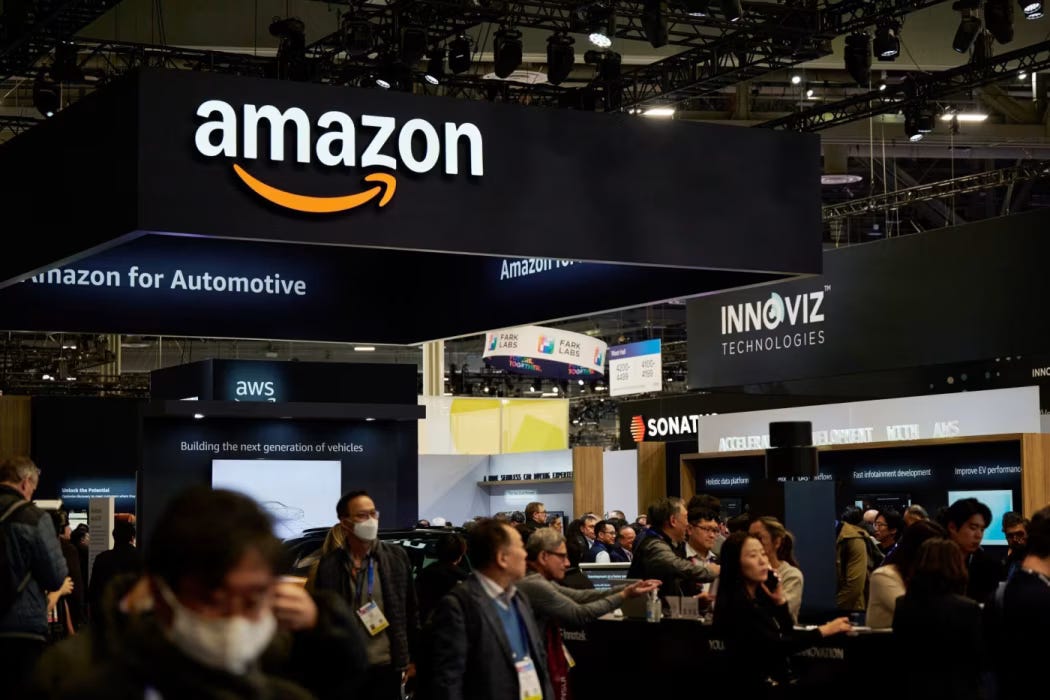
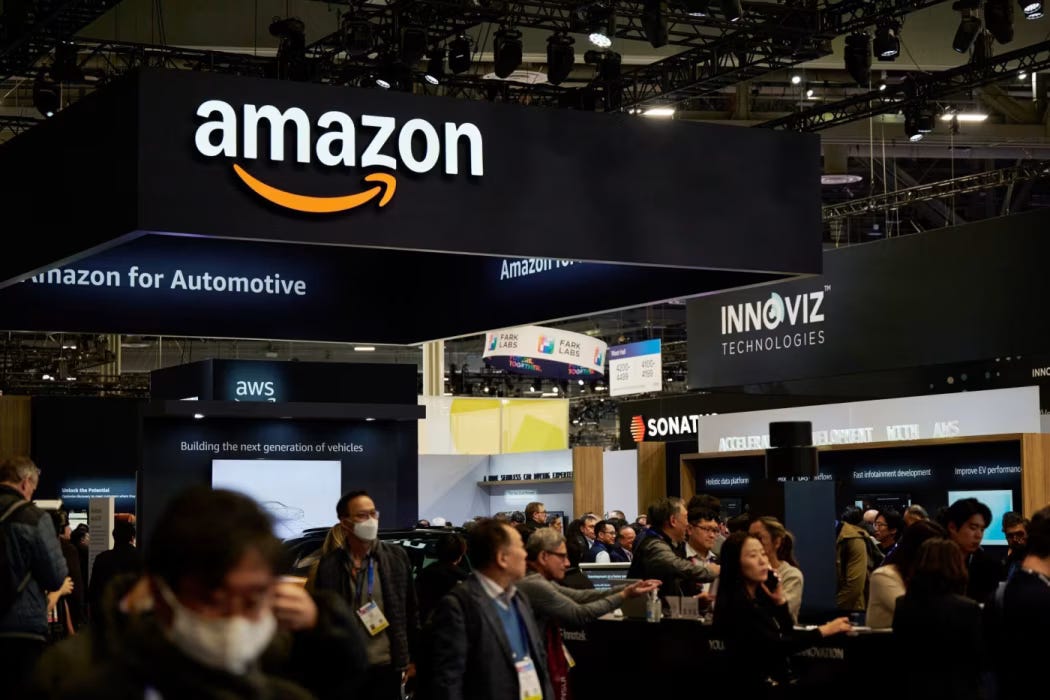
Amazon in Talks to Acquire AI Startup Decart for $7 Billion 💰
Amazon is reportedly discussing a deal that could value San Francisco-based Decart at around $7 billion. Decart builds software that helps developers switch between AI chips, addressing a growing need for flexibility as demand for computing capacity rises. [WSJ]
Nvidia Considers Deeper Investment or Acquisition of Reflection AI 🤝
Nvidia is in early-stage talks that could lead to a larger investment, an acquisition, or an acqui-hire involving Reflection AI's team and technology. Nvidia has already invested $800 million in the startup, which launched its first open-weight model, Beam, on Monday. [Investing.com]
OpenAI’s Annualized Revenue Nears $50 Billion, Investor Comparisons Complicate the Picture 📊
OpenAI has told investors that its annualized revenue is approaching $50 billion, below an earlier reported figure of nearly $70 billion that emerged from comparisons with Anthropic. The companies calculate annualized revenue differently, with Anthropic including sales made through cloud partners while OpenAI excludes them. [TechCrunch]


New Funds 💰
Union Square Ventures raised $900M across two funds to back early-stage technology companies and support follow-on investments.
TCGX closed its Asia Life Sciences Fund at $600M to invest in innovative life sciences and biotechnology companies across Asia.
Pear VC closed Fund V at $333M to back pre-seed and seed-stage startups across AI, enterprise software, biotech, fintech, healthcare, and consumer technology.
Benchmark is raising $352M across two founders’ funds to support early-stage technology investments.
Nauta Capital held the first close of its sixth fund at €60M, targeting pre-seed to Series A B2B software and deep-tech startups.
Genesys Capital held the second close of its University Seed Fund to invest in early-stage life sciences companies emerging from Canadian research institutions.
PSV Tech closed Fund II at €56M to back Nordic startups developing AI, software, and digital infrastructure solutions.
NVM Ventures held the first close of its Lazio-focused first fund at €23.6M to invest in early-stage startups across deep tech, aerospace, robotics, cybersecurity, and AI.
That’s a wrap for this week.
If you want to stay ahead of the curve, make sure you're subscribed. No fluff, just real startup insights delivered straight to your inbox.
See you next time 🚀
The pairing of PostHog's rule ("make every agent action visible") and the Harbor section hits the exact problem I see in small and mid-sized businesses right now.
When I audited 548 AI email drafts in my own business inbox, 86% were ready to send on routine scheduling and admin. Only 47% were ready when the email touched pricing, scope, or a frustrated customer.
Code is cheap to copy now, but customer trust takes years to earn and five seconds to lose. What works for business owners is starting in draft-only mode and putting a hard human approval gate in front of every outbound promise, refund, or quote before it reaches your customers.