


If you’re building, investing, or just trying to stay ahead of the curve, you’re in the right place. Every week, we break down founder insights and funding news, and we track the freshest VC funds deploying capital so you know where the money’s moving.
Let’s get into it.
Together with Attio
Your CRM wasn’t built for your agents. Attio was.
Your team now runs on people and agents, and both need the controls of business software at the scale of infrastructure. Attio brings that into one CRM built for the agentic era, and teams like Parallel, Turbopuffer and Wordsmith already run their revenue engine on it.

See for yourself:
1000x the agent traffic of a legacy CRM
Your whole CRM queryable in SQL
Every agent bound by your team’s permissions
In-Depth Insights 🔍
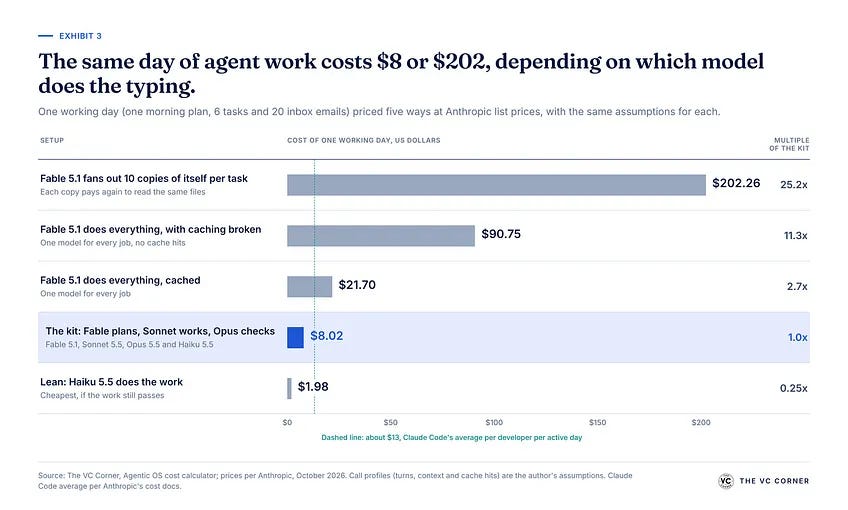
A Four-Model Agent Setup Runs a Full Workday for $8.02 💸 (22 minute read)
Splitting one agent workday across four models cut its modeled cost from $90.75 to $8.02. The setup has Fable 5.1 plan and Sonnet 5.5 execute, with Opus 5.5 grading each result under a $15 daily cap. The figures come from assumed call profiles at Anthropic list prices.
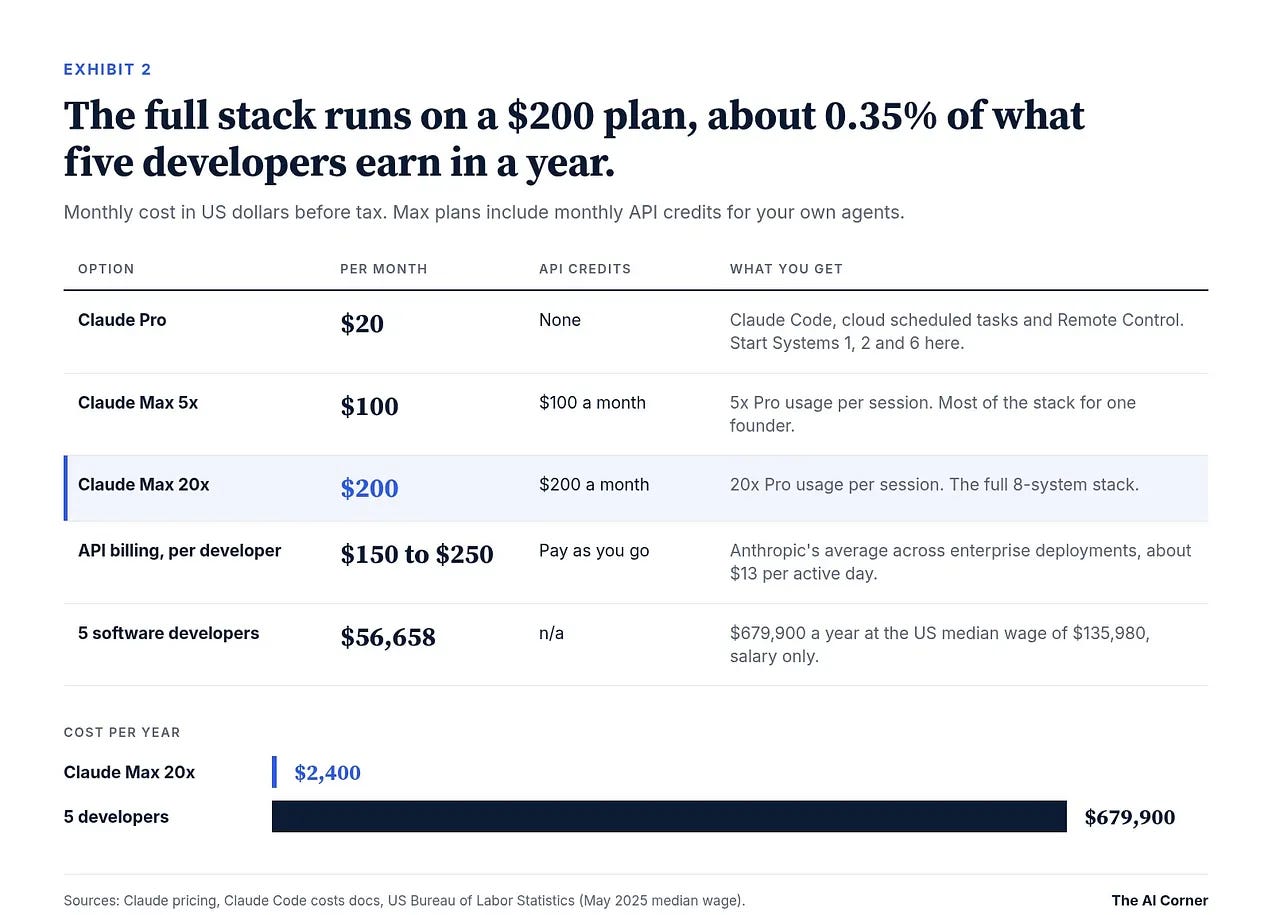
Eight Claude Code Systems Cover a Five-Person Team’s Repeat Work 🤖 (19 minute read)
One founder can run eight Claude Code systems on Claude Max 20x for $200 a month. They cover inbox triage, feature builds, deploy checks, migrations and competitor research, while the founder keeps approvals and customer calls. Five US developers at the median wage cost $679,900 a year in salary alone.
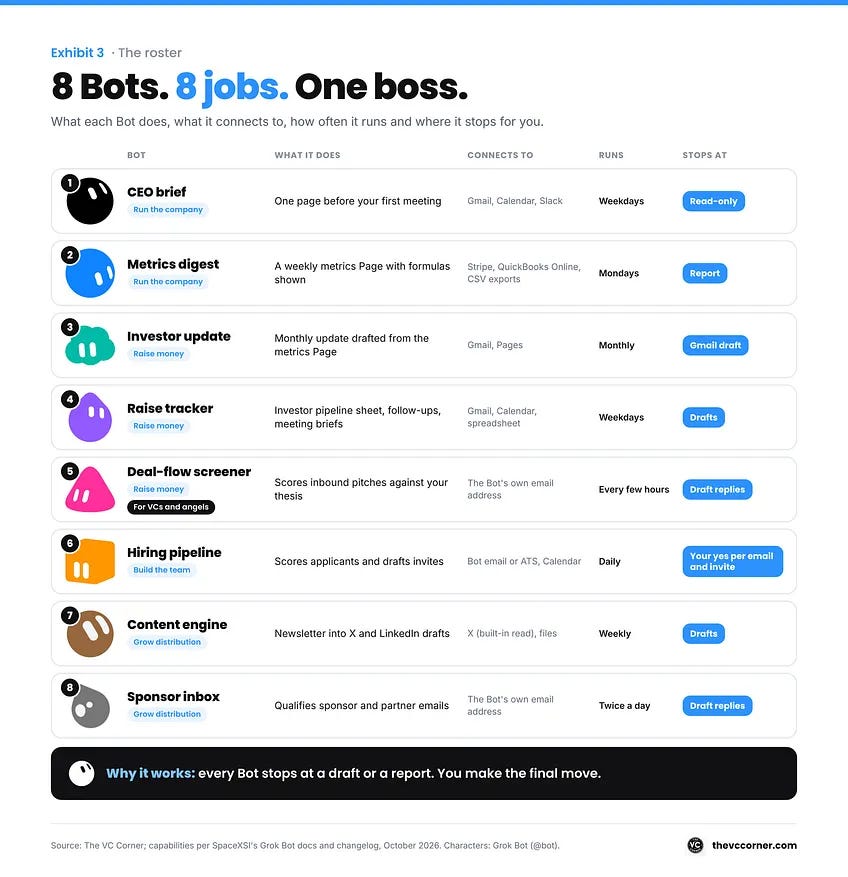
Grok Bot Lets Founders Staff Eight Single-Job Agents 🤖 (18 minute read)
SpaceXSI’s Grok Bot gives every Bot the same persistent cloud computer with a browser and terminal, so work continues while the laptop is closed. The founder lineup runs from a CEO brief to a sponsor inbox, and each Bot stops at a draft or report. “Ask first” rules make every Bot wait for approval before a payment or an outside message goes out.
A PostHog Engineer’s Agents Load a Skill in 78% of Chats 🧠 (14 minute read)
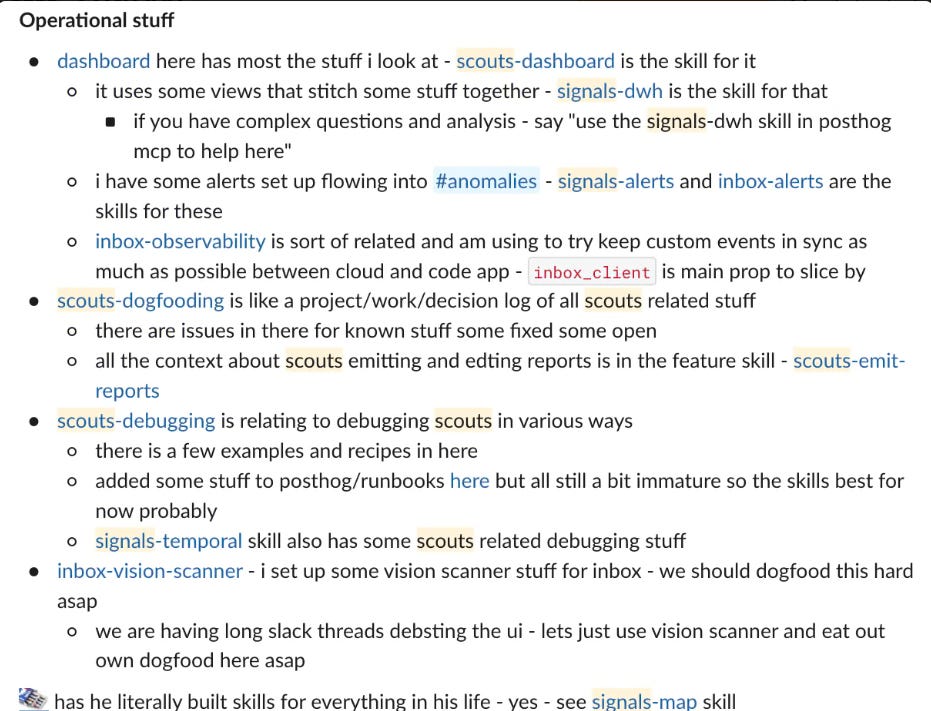
Over 28 days, 78% of one engineer’s 578 agent chats loaded a skill and 47% updated one. Project trackers and handovers live as versioned skills in a shared store that Claude Code, Slack, Codex and Cursor can all read. The main project skill is on version 433, written mostly by agents. [PostHog]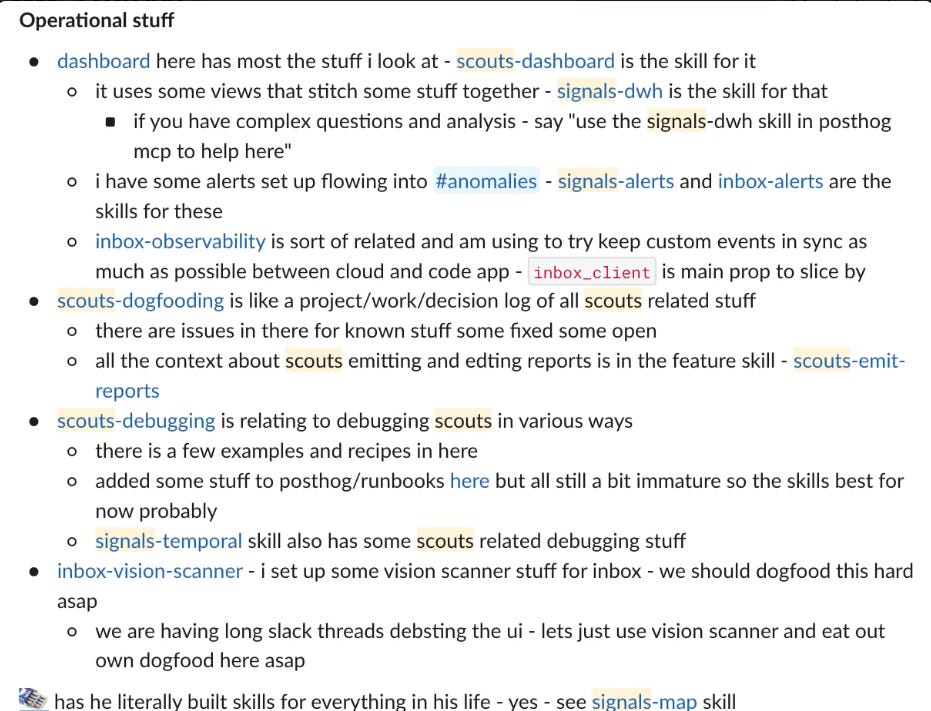
AI Could Widen the Founder Pool Beyond the Usual Profiles 👥 (8 minute read)
Andrew Chen expects AI to open startups to solo founders, non-technical founders, domain experts, students and creators. Each new profile still has a gap to close, from customer meetings to sustained growth. He asks which old founder rules were fundamental and which only reflected their era. [Andrew Chen]
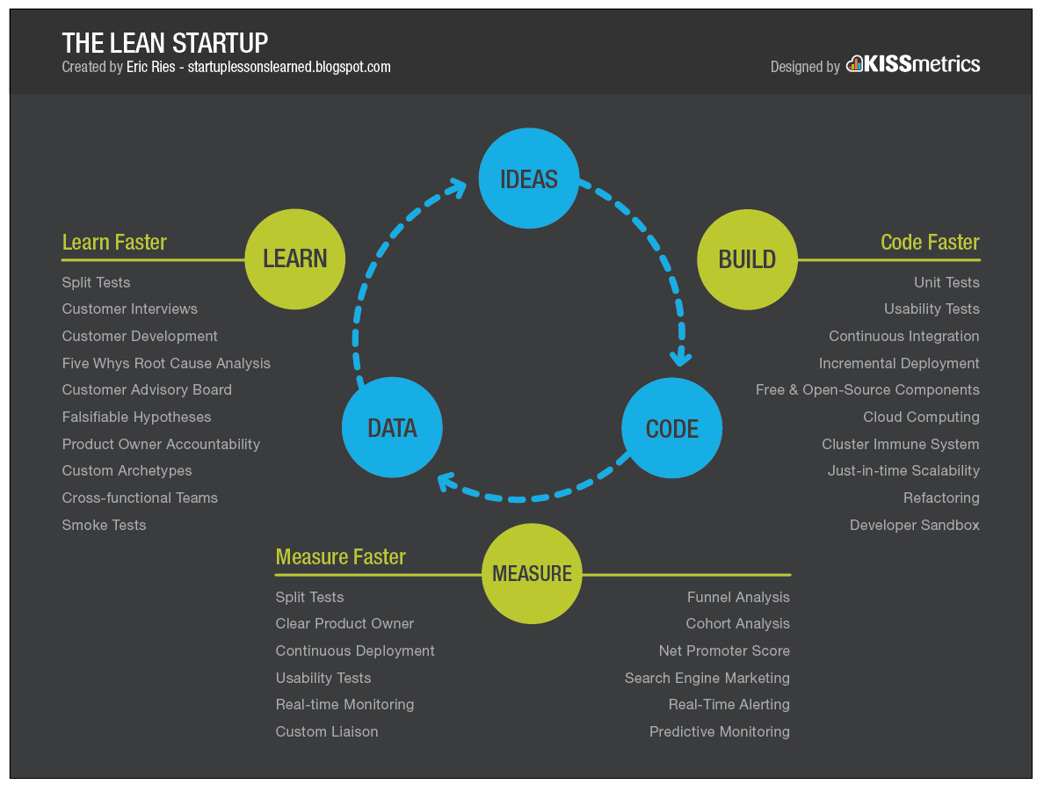
AI Speeds Up Building, So Early Access Has to Show What to Build 🔍 (60 minute read)
Hiten Shah’s playbook starts early access with a few people who already have the problem and puts the product into a real task. Teams watch where users get stuck before they choose the next change. Its plays run from a five-line Working Bet to checking whether value transfers to new users. [Hiten Shah]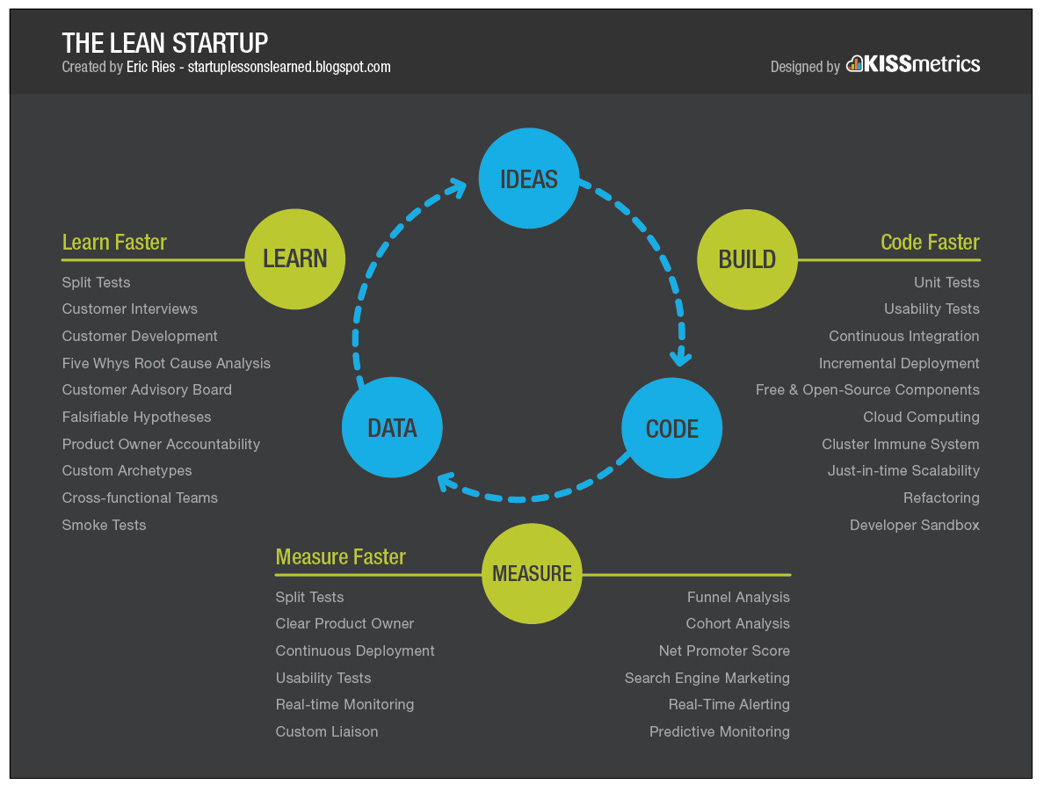
AI at a Fixed Capability Level Gets 10x Cheaper About Every Year 📉 (4 minute read)
Steve Krouse charted prices for fixed scores on four benchmarks and found 10x drops every 0.8 to 1.3 years, about 1.0 years on average. That matches the pace Sam Altman cited in February 2025. Older capability levels flatten out, with o3-mini’s level only 11x cheaper after about 1.7 years. [Steve Krouse]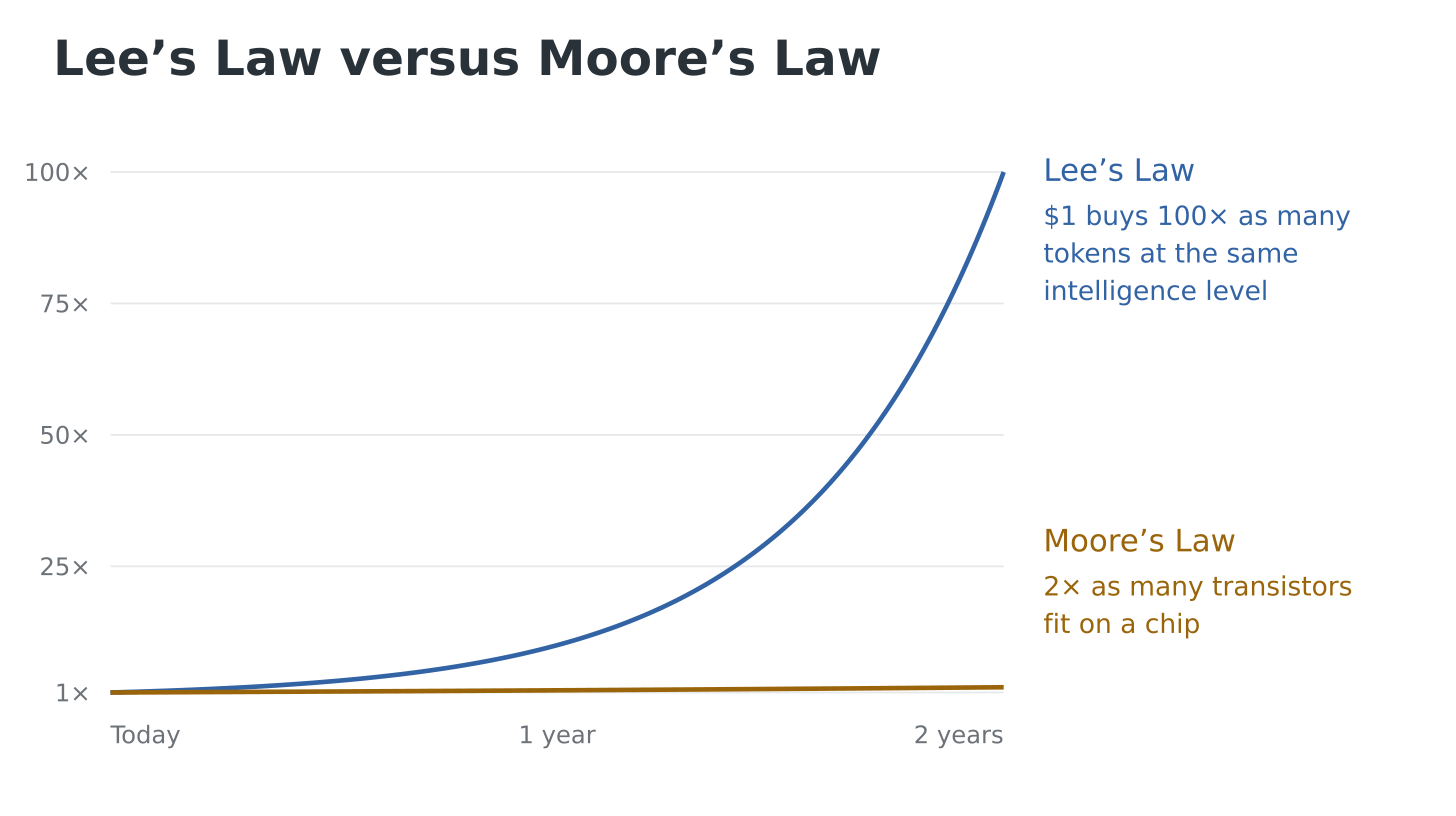
A Content Team Runs Shared AI Skills From a Private GitHub Repo 🗂️ (7 minute read)
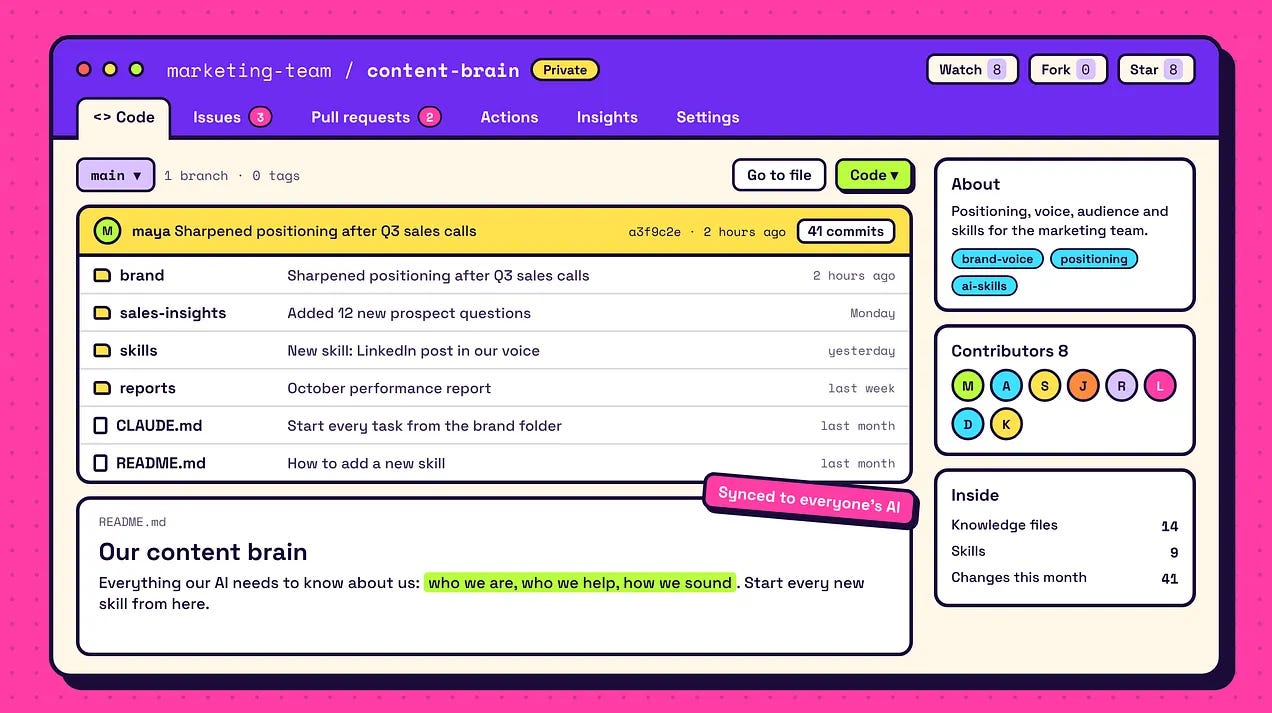
Bluestone PIM’s content team keeps its brand voice and skills as plain files in a private GitHub repo that every member’s Claude reads. A new skill reaches the whole team as soon as it is pushed. Head of content Maya Pasek estimates the setup saves about 20 hours a week. [Ina Toncheva]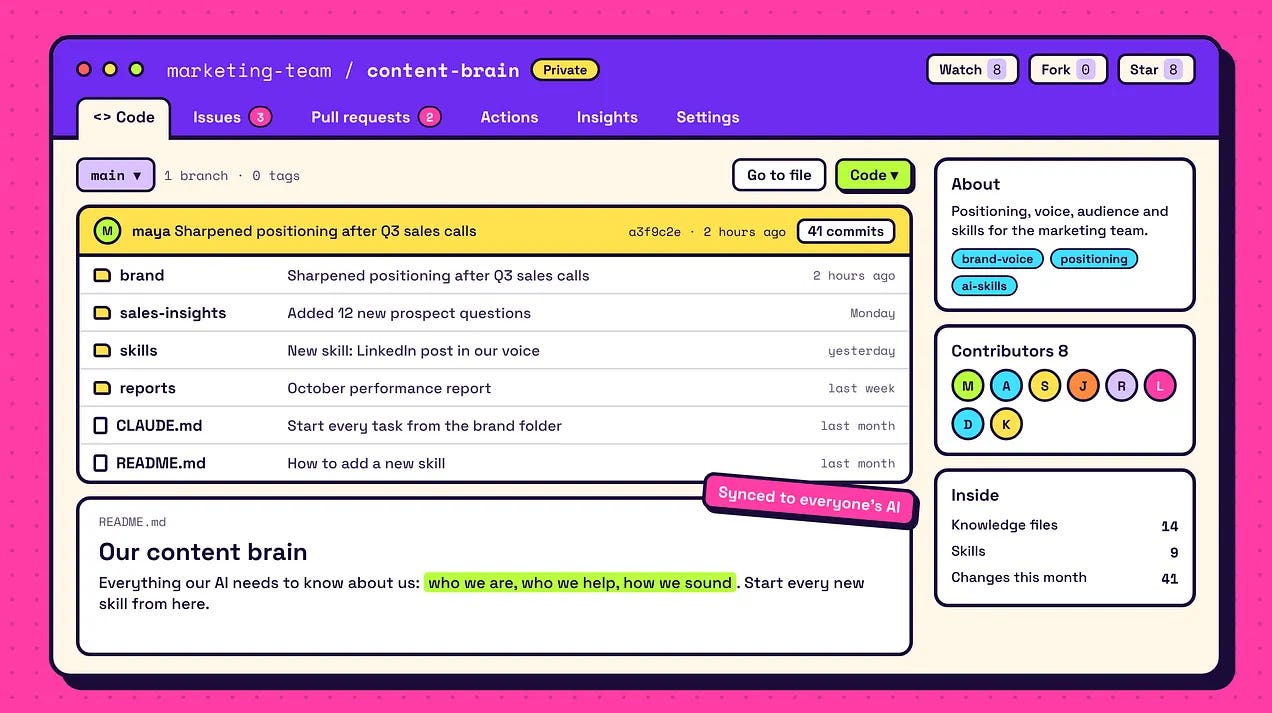
Social Media Gems 💎
An iPhone Duo Shows a Deeper Crease After 10,000 Folds 📱 (Video)
YouTuber Tim Pan ran an iPhone Duo through 10,000 machine folds at room temperature and another 1,000 at -4°F. The hinge kept working, while the crease grew much more visible. It already looked deeper after the first 500 folds. [Tim Pan]

Anthropic Acquires Mithril Medicine, a One-Person Biotech Run With Claude 🧬 (3 minute read)
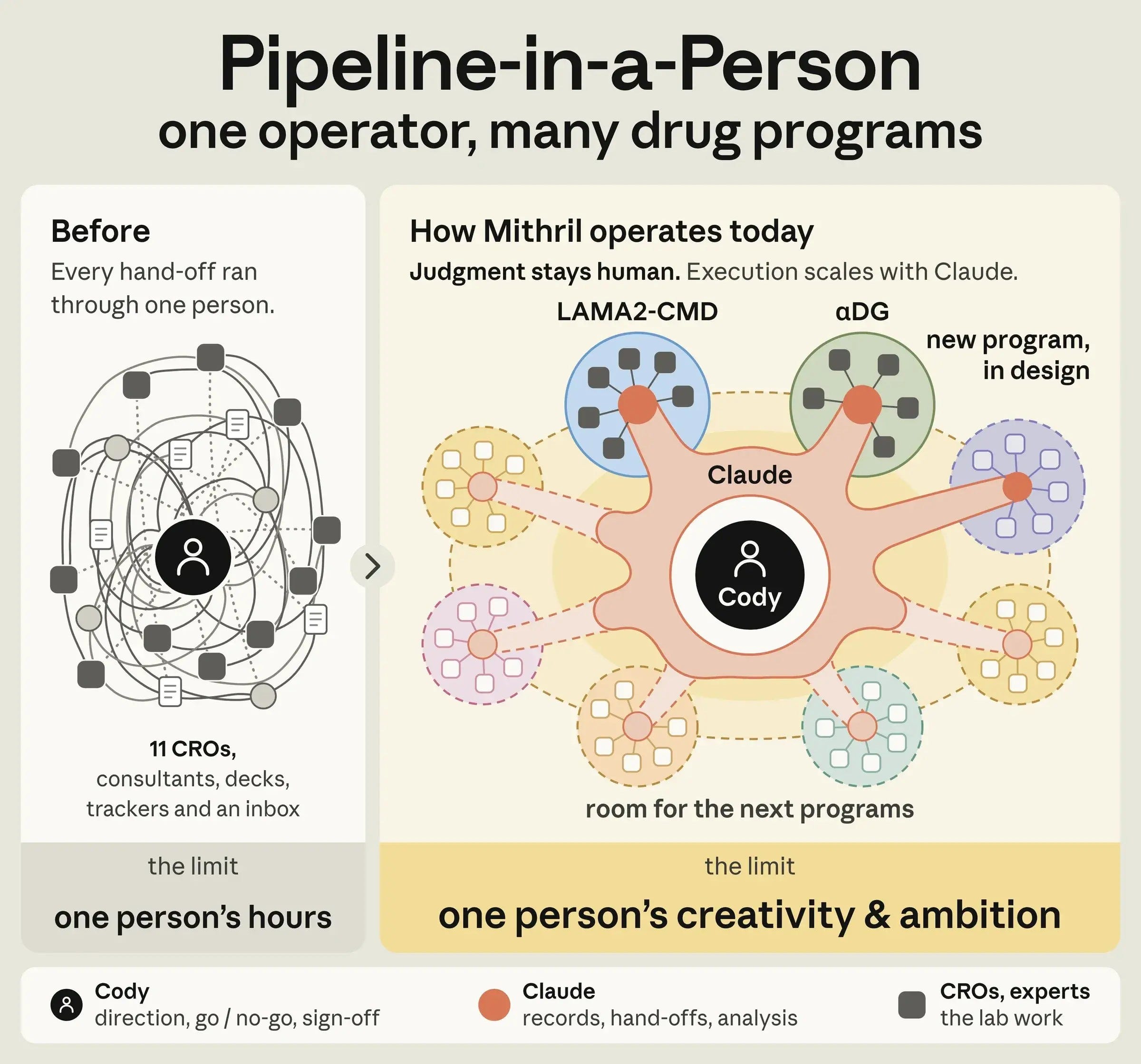
Anthropic disclosed on October 27 that it bought Mithril Medicine in July, and founder Cody Tranbarger joined the company. He was Mithril’s only full-time employee, working with part-time consultants and 11 outside labs while Claude helped manage the experiments. Its rare muscular dystrophy programs became Anthropic’s first internal drug programs. [R&D World]
Cursor Agents Can Now Click and Type Across Any App 🖱️ (Post)
Cursor added Computer Use, which lets its agents work in any desktop app beyond the browser. Agents call it on their own when a task needs it, and users can request it by @-mentioning Computer Use. The demo shows an agent driving the iOS Simulator to test a feature it built. [Cursor]
Stripe Pay Sends Free, Instant Business-to-Business Transfers 💸 (2 minute read)
Stripe Pay lets a business send money to another company by looking up its Stripe profile handle. Transfers are free and work from the Dashboard and the CLI. The sender needs a funded financial account, and the recipient needs one linked to its Stripe profile. [The Paypers]
Trending News ⚡
Anthropic’s Seven Cofounders Can Each Rank Up to 10 Secret Successors 🔐 (2 minute read)
The seven cofounders who hold 50.1% of Anthropic’s voting control through the Founders LLC can each name up to 10 ranked successors. The other LLC members vote to approve each list. The names stay confidential unless a court order or other legal requirement forces disclosure. [Business Insider]
Amazon Is Likely the Biggest Financial Winner of Anthropic’s IPO 💰 (3 minute read)
Amazon holds Anthropic convertible notes with $6.2 billion of principal, which its own filings valued at $97.9 billion on June 30. The notes can convert into up to 1.84 billion shares, capped at 12% of the partially diluted share count. No VC firm reaches the 5% ownership threshold, and Menlo’s stake is roughly 1.5%. [TechCrunch]
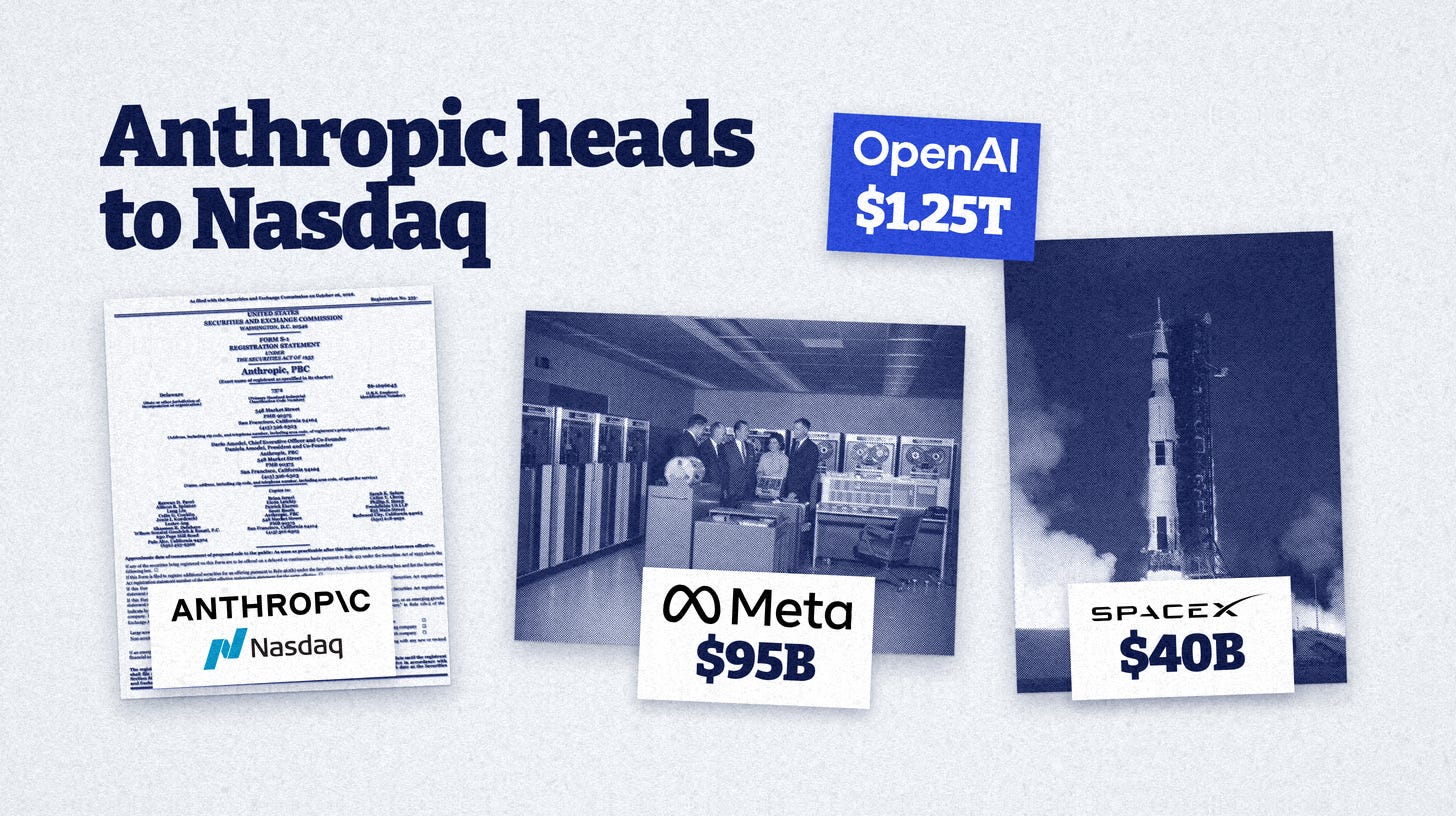
Anthropic Files for a Nasdaq IPO Under the Ticker ANT 📈 (1 minute read)
Anthropic filed its S-1 on October 26 to list Class A shares on the Nasdaq Global Select Market. The filing shows $4.6 billion of 2025 revenue and a $42 billion net loss, and it leaves the price range and valuation blank. NBC News reports the offering could value the company at more than $2 trillion. [Anthropic]
OpenAI Is Reportedly Raising Up to $30 Billion at a $1.25 Trillion Valuation 💰 (2 minute read)
OpenAI is close to a round of up to $30 billion at a $1.25 trillion valuation before the new money, per CNBC. Investors from the United Arab Emirates are leading it alongside Coatue. The round is positioned as a bridge ahead of a potential IPO. [CNBC]

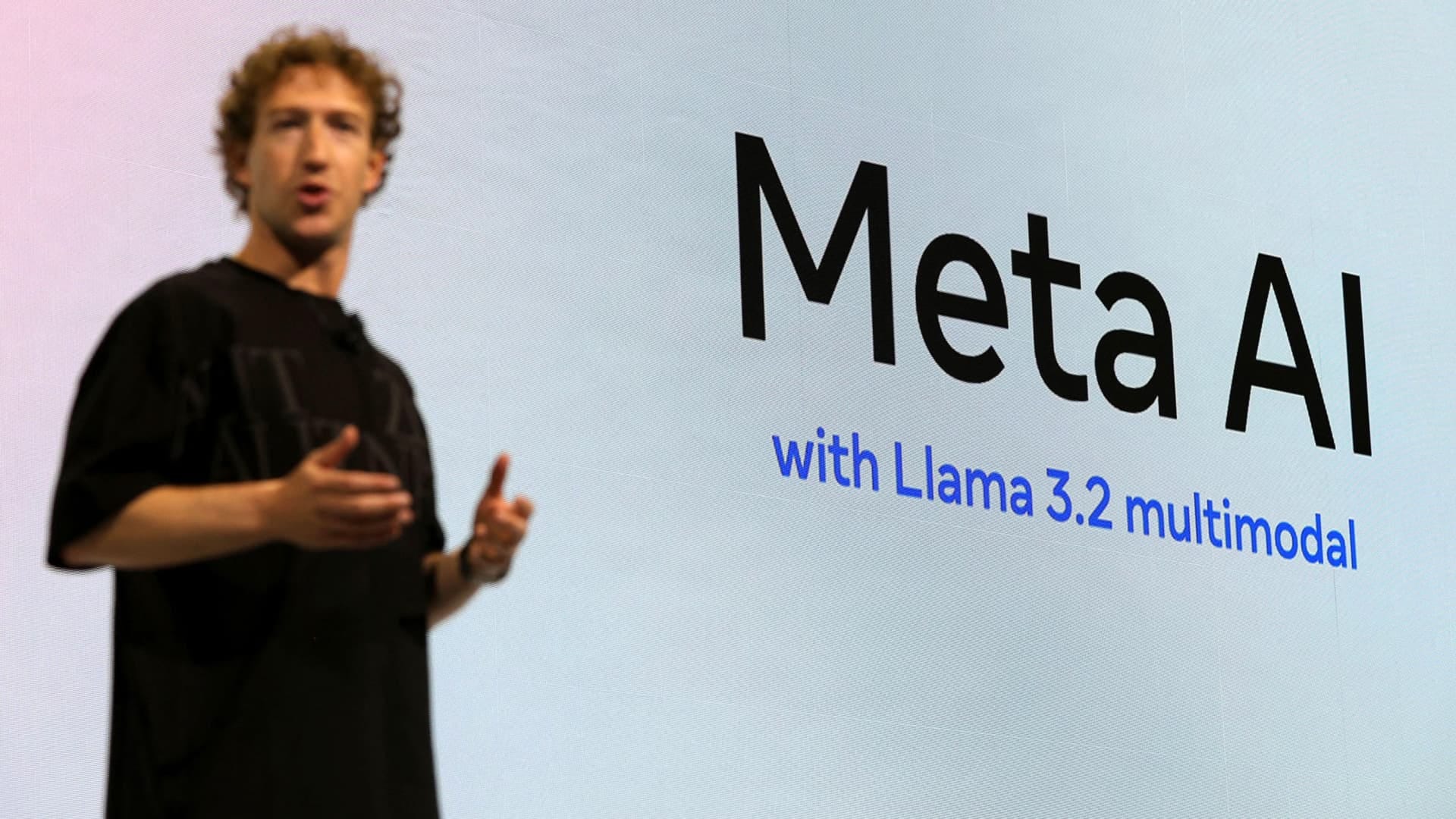
Meta Plans a $95 Billion Stock Raise for AI Infrastructure 💸 (2 minute read)
Meta will raise $35 billion through underwritten equity offerings, then another $60 billion through an at-the-market program. Nvidia, AMD and Broadcom expressed interest in buying up to $5 billion of the shares. The stock fell 1.6% in morning trading after the announcement. [CNBC]
SpaceX Closes $40 Billion in GPU Debt Financing 🚀 (1 minute read)
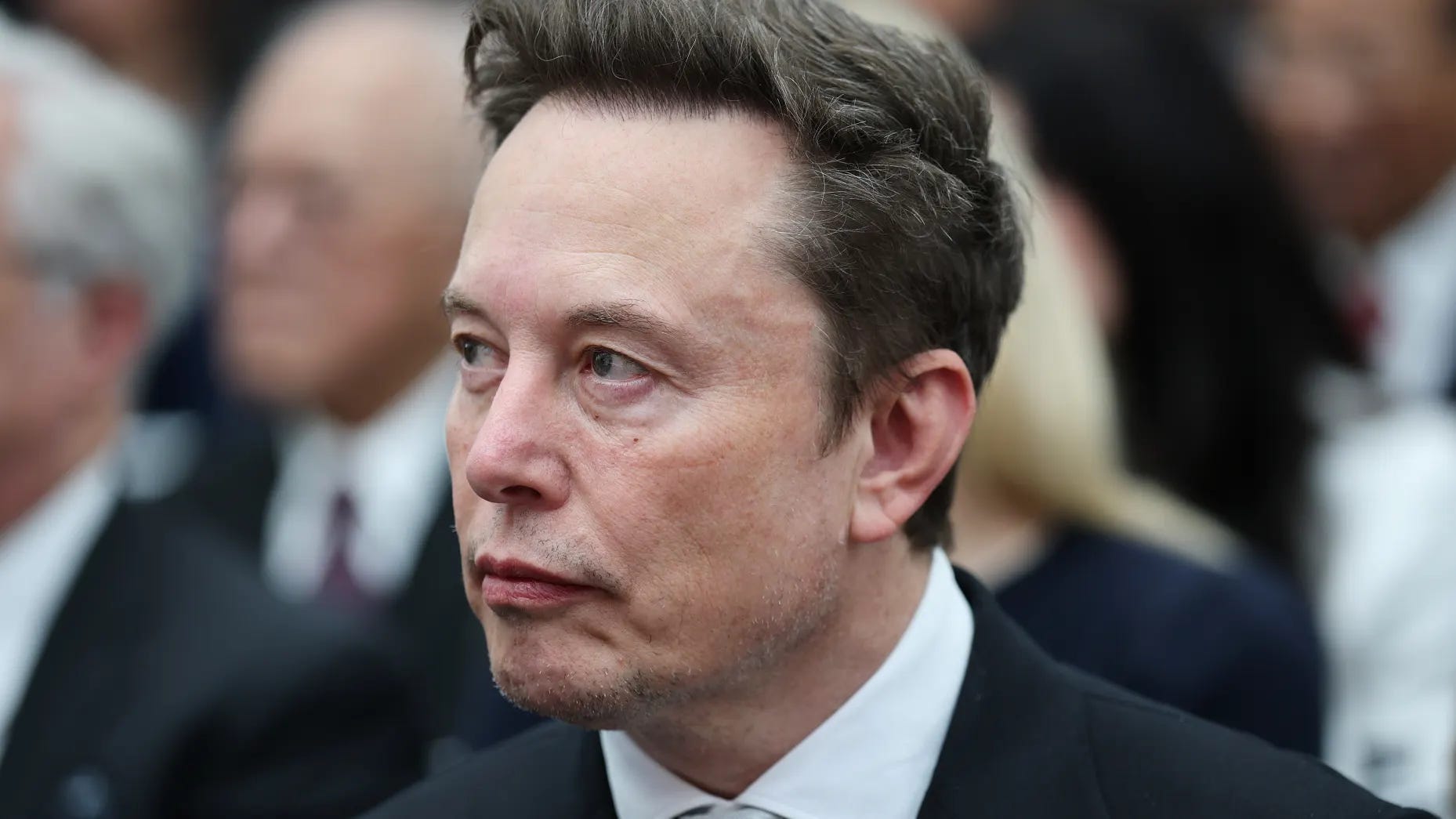
SpaceX signed a binding commitment with an Apollo-managed entity for roughly $40 billion to buy GPUs arriving in the first half of 2027. Elon Musk predicts more than 200 neoclouds will face failures and consolidation. He says debt markets have largely closed to companies without substantial revenue outside AI data centers. [CNBC]
General Compute Raises a $100M Series A at an $800M Valuation 🔌 (3 minute read)
The neocloud builds on inference chips from Nvidia rivals, and its valuation rose from $60 million after a May seed round. Blackbird Ventures and Abstract Ventures led the round, which followed a customer deal worth $100 million in ARR. The company expects to deploy 75 megawatts in 2027 on SambaNova, Positron and Cerebras chips. [TechCrunch]
Chinese Model GLM-5.3 Completes 3 of 13 Cyberattack Scenarios in Tests 🚨 (2 minute read)
Z.AI’s open-weight GLM-5.3 finished 3 of 13 multistage attack simulations at least once in tests by security firm Irregular. That is the strongest result Irregular has recorded from an openly available model. OpenAI’s GPT-6 Astra completed 9 of 10 scenarios in a separate assessment that was not identical. [Reuters]

OpenAI Launches GPT-6.1 Terra at Half the API Price of GPT-5.6 Terra 🤖 (3 minute read)
GPT-6.1 Terra costs $1 per million input tokens and $5 per million output tokens, 50% below GPT-5.6 Terra. OpenAI says it scores 15 points higher than GPT-5.6 Terra on Agents’ Last Exam at about one-third the cost. Its low-effort error rate on hard prompts fell from 53.6% to 16.7%. [OpenAI]

New Funds 💰
Disruptive announced its $10 billion Flagship Fund to back about 10 growth and late-stage technology companies.
Trust Ventures filed for its fifth venture fund, targeting $400 million.
Interlagos Capital filed for Interlagos Fund II, targeting $400 million.
AP Ventures closed its third venture fund at $300 million to back early-stage industrial and energy technology companies.
DPI Venture Capital closed its Nclude Fund at over $112 million to back technology businesses across Africa and the Middle East.
Entourage closed its second fund at €100 million to invest in AI, enterprise software, robotics and deeptech startups.
Auriga Partners secured an €80 million interim close for its second cybersecurity venture fund.
Phaze Ventures launched two venture funds targeting over $75 million combined to back AI and deeptech companies.
BY Venture Partners closed its third venture fund at $60 million to back early-stage AI-native companies.
U&I Ventures closed its debut fund at $32.2 million to back seed-stage AI-native infrastructure in security, engineering and IT.
That’s a wrap for this week.
If you want to stay ahead of the curve, make sure you’re subscribed to get real startup insights delivered straight to your inbox.
See you next time 🚀